Pellet grill startup guide
Pellet grill startup: stop adding meat before it's ready
Published June 29, 2026
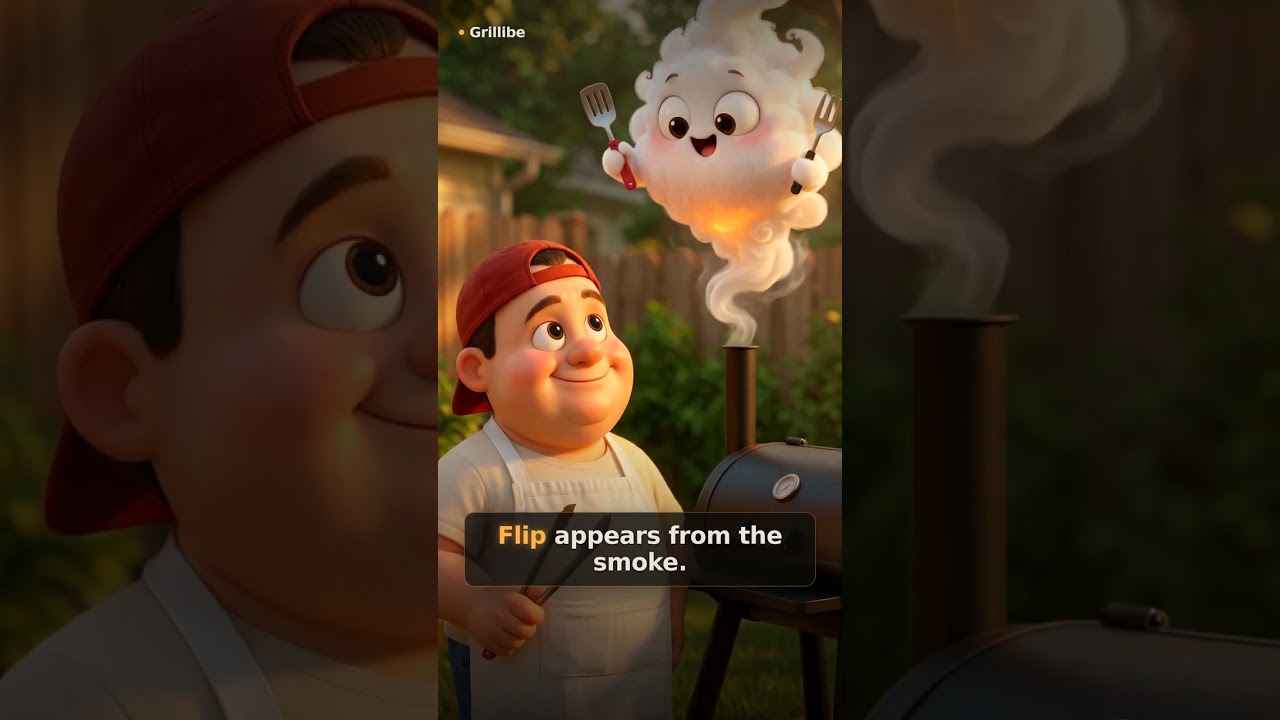
Bob set his pellet grill to 225 F, waited two minutes, and threw a pork shoulder on. An hour later the bark was wrong and the smoke flavor was thin. Flip's fix was boring but essential: let the grill finish its startup sequence before any food touches the grate.
Affiliate disclosure: Grillibe may earn a commission from links on this page. We only recommend BBQ gear that fits the cook, problem, or beginner setup.
Quick answer
Set your target temp, let the grill run through its 3-5 minute smoke phase, then wait until you see less smoke and a roaring fire before closing the lid. Budget 15-20 minutes total before adding meat. For low-and-slow work, dial in 180-225 F and do not rush it. A grill that has not stabilized will swing wildly in the first 30 minutes of your cook.
What actually happens when you press start
A pellet grill does not light like a gas burner. When you power it on, the auger begins feeding pellets into the fire pot while an igniter rod heats up. That process takes time, and skipping any part of it causes temperature swings that last well into your cook.
After ignition, the grill enters a 3-5 minute smoke phase where you will see heavy white smoke billowing out. That is normal. Wait until the smoke thins and you can hear the fire roaring before you close the lid and set your temperature. Closing the lid too early traps unburned smoke and gives your food a bitter, acrid taste.
The 15-20 minute rule before meat goes on
Once the lid is closed and the temperature is set, the grill still needs time to reach and stabilize at your target. Plan on 15-20 minutes from startup to the moment you place food on the grate. This is not optional padding. It is the time the digital thermostat needs to establish a consistent duty cycle.
The thermostat controls temperature by running the auger in short bursts, typically 15-second on and off intervals, to feed just enough pellets to hold the set point. If you add cold meat before that cycle is established, the grill overshoots and undershoots trying to compensate for the thermal load. You end up with uneven cooking and poor smoke absorption in the first critical hour.
How to run the smoke setting for maximum flavor
For the deepest smoke flavor, start your cook on the Smoke setting, which holds the grill at 180-200 F for the first 1-2 hours. On this setting the auger runs for about 1 minute and then pauses for 3 minutes, which creates more smoke than a steady higher temperature would. The grill burns roughly half a pound of pellets per hour at this setting.
After that initial smoke phase, raise the temperature to 225 F to push the cook forward. This two-stage approach gives you a smoke ring and bark that a straight 225 F cook from the start rarely matches. Check out our guide to pork butt bark for how this plays out on a long cook.
The startup sequence step by step
Following these steps in order takes the guesswork out of every cook. The sequence is the same whether you are smoking chicken thighs or a brisket.
Do not skip step 3. That is the moment most backyard cooks rush, and it is where Bob's pork shoulder went wrong.
- 1Check the hopper and fill it with fresh pellets. Running out mid-cook is the most common pellet grill disaster, and it is completely avoidable.
- 2Power on the grill with the lid open and set it to the Smoke setting or your target temp of 180-225 F.
- 3Wait 4-5 minutes until you see heavy smoke coming from the fire pot. This confirms ignition.
- 4Watch for the smoke to thin and listen for a steady roar from the fire. That means the fire is established.
- 5Close the lid and let the grill climb to your target temperature.
- 6Wait the full 15-20 minutes from startup before placing any meat on the grate.
- 7For maximum smoke flavor, hold at 180-200 F for the first 1-2 hours, then raise to 225 F.
What to watch for during your cook
Once your meat is on, check the hopper level every 2-3 hours on a long cook. A full hopper at the start of an overnight cook is not always enough, depending on your grill size and ambient temperature. Cold weather makes the grill burn more pellets to hold temperature, so budget extra. ThermoWorks has a solid breakdown of how ambient conditions affect smoker temps that is worth reading before your first overnight session.
Use a leave-in probe thermometer to track your meat temperature without opening the lid. Every time you open the lid, the grill has to recover, which adds time and disrupts the auger duty cycle. For recipes that rely on steady indirect heat, like the ones in our smoked chicken thighs guide, lid discipline matters as much as startup timing.
Short-form angle
Flip watches Bob throw meat on a cold pellet grill, then shows the correct startup sequence in real time with a timer on screen.
FAQ
How long should I let my pellet grill warm up before cooking?
Budget 15-20 minutes from the moment you power on the grill to when you place food on the grate. That includes the 3-5 minute smoke phase with the lid open and the time needed for the temperature to stabilize at your target.
Why is my pellet grill producing so much white smoke at startup?
Heavy white smoke during the first few minutes is normal. It means the pellets are igniting and the fire is establishing itself. Wait for the smoke to thin and the fire to roar before closing the lid. Closing it too early traps acrid smoke that can make food taste bitter.
What temperature should I set my pellet grill for smoking?
For low-and-slow smoking, set the grill to 180-225 F. For the most smoke flavor, start at 180-200 F for the first 1-2 hours, then raise to 225 F. Higher temps in the 300-450 F range are better for grilling, not smoking.
What happens if I run out of pellets mid-cook?
The fire goes out, the temperature drops, and your cook stalls. If you catch it quickly you can refill the hopper and restart, but the temperature recovery takes time and the bark or smoke ring on your meat will suffer. Always check pellet levels before a long or overnight cook.
Why does my pellet grill temperature swing so much at the start?
The digital thermostat needs time to establish a steady duty cycle after startup. If you add cold meat before the grill has stabilized, it has to work harder to hold temperature, which causes bigger swings. Waiting the full 15-20 minutes before adding food fixes most of this.