Rib method guide
3-2-1 ribs without mushy bark: what actually goes wrong
Published May 30, 2026
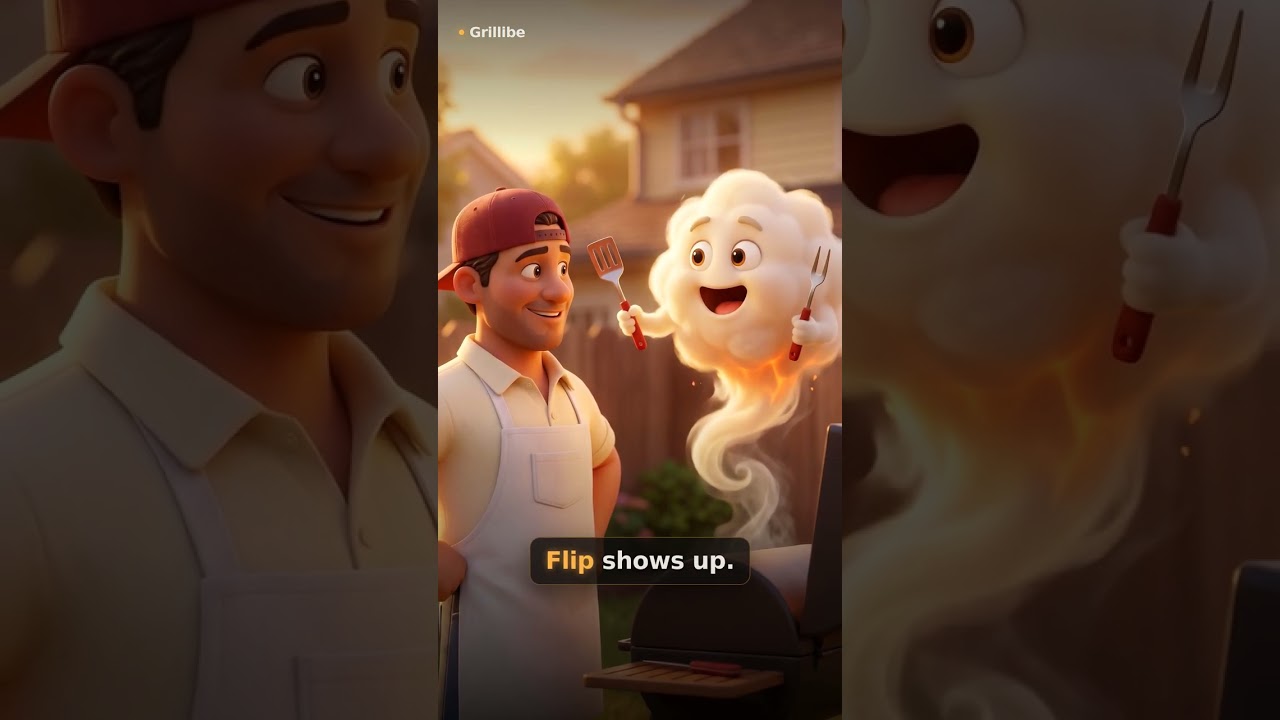
The 3-2-1 method is one of the most popular rib frameworks out there, but it has one consistent failure mode: the bark turns soft and the meat goes past tender into mush. Both problems come from the same phase, the two-hour wrap. Fix the wrap and you fix the ribs.
Affiliate disclosure: Grillibe may earn a commission from links on this page. We only recommend BBQ gear that fits the cook, problem, or beginner setup.
Quick answer
For better 3 2 1 ribs, smoke unwrapped for 3 hours, wrap in butcher paper for 60 to 75 minutes, then finish unwrapped for about 30 minutes to firm the bark. Keep the pit at 225F to 250F. Open the wrap when the ribs reach 195F to 200F internal. Glaze only in the last 10 to 15 minutes so the sauce sets without making the bark wet.
Why the 3-2-1 method works and where it breaks
The 3-2-1 method splits a rib cook into three phases: three hours of open smoke, two hours wrapped, and one hour unwrapped with sauce. It was designed for spare ribs on an offset smoker running around 225F. At that temp and with that rack size, the timing works out close to right.
The problem is that most backyard cooks run the method on baby back ribs, which are smaller and cook faster. Or they run their smoker at 250F to 275F, which speeds up every phase. Bob learned this the hard way when his first rack came off looking like pulled pork in rib shape. Flip's fix starts with understanding that the two-hour wrap is a guideline, not a law.
The wrap phase is where bark dies
Bark forms during the first three hours when dry heat, smoke, and the rub react on the surface. It is fragile. Steam destroys it. The moment you wrap ribs tightly in foil, you trap steam against that crust and it softens. A little softening is fine. Two full hours of steaming is too much for most racks.
Foil is the bigger offender because it seals completely. Butcher paper lets some moisture escape and keeps the bark in better shape. If you must use foil, open both ends slightly to vent steam. Either way, shorten the wrapped time and pull by internal temp, not by the clock.
- Use unwaxed pink butcher paper instead of foil when possible
- If using foil, fold back the ends slightly to let steam vent
- Wrap when internal temp hits 160F to 165F, not on a fixed schedule
- Pull from the wrap at 195F to 200F internal, regardless of time elapsed
Temperature control across all three phases
Run your smoker at 225F to 250F for the entire cook. The 3-2-1 timing assumes this range. At 275F, the open smoke phase can dry the surface too fast and the wrapped phase overcooks the meat in under an hour. A dual-probe thermometer tracking grate temp and meat temp at the same time removes the guesswork. Check out our thermometer guide to find a reliable option.
During the first three hours, your goal is to build bark and get smoke into the meat. The internal temp will climb from around 70F to roughly 160F. During the wrapped phase it climbs from 160F to 195F to 200F. During the final unwrapped phase you are drying the bark back out and setting the glaze. Pull the ribs at 200F to 203F. Past 205F, the meat has already started to fall apart.
- Smoker target: 225F to 250F throughout
- End of open smoke phase: 160F to 165F internal
- End of wrapped phase: 195F to 200F internal
- Final pull temp: 200F to 203F internal
The final hour: how to reset the bark and glaze right
The last unwrapped phase is where you earn back the bark you softened during the wrap. Return the ribs to the smoker uncovered and let dry heat firm the surface back up. 30 to 45 minutes is usually enough. Do not rush this by cranking the heat. High heat at this stage scorches the glaze before it sets.
Apply your glaze in thin coats. One thick coat traps moisture and keeps the bark soft. Two thin coats spaced 10 minutes apart give you a sticky, set crust. Pull the ribs at 200F to 203F, rest them uncovered for 10 minutes, then slice between the bones. Resting uncovered matters here because tenting with foil will steam the bark soft again.
- 1Unwrap ribs at 195F to 200F internal
- 2Return to smoker at 225F to 250F uncovered for 30 to 45 minutes
- 3Apply first glaze coat at the 20-minute mark
- 4Apply second coat 10 minutes later if you want a thicker set
- 5Pull at 200F to 203F and rest uncovered for 10 minutes
- 6Slice between bones and serve
Adjusting the method for baby backs vs spare ribs
The original 3-2-1 was built around spare ribs, which weigh more and take longer to cook through. Baby back ribs are leaner and thinner, so they hit target temps faster. A better starting framework for baby backs is 3-1-0.5: three hours open, one hour wrapped, and 30 minutes unwrapped. Still check by temp, not by time.
If you want more smoke flavor in your ribs, the open smoke phase is where to get it. The pellet grill smoke flavor guide covers how to coax more smoke out of your setup without drying the meat. Also check USDA safe minimum internal temperatures if you are ever unsure where pork needs to land for safety. Ribs are safe at 145F but not tender until 195F or above.
- Spare ribs: wrap for 75 to 90 minutes, pull wrap at 195F to 200F
- Baby back ribs: wrap for 60 to 75 minutes, pull wrap at 195F to 200F
- St. Louis cut (trimmed spare ribs): treat like spare ribs, check temp early
- Higher smoker temps (275F) require shorter wrapped times, sometimes under 45 minutes
A better 3 2 1 timing check for firm bark
Start with the same first step. Smoke the ribs meat side up at 225F to 250F for about 3 hours. Do not chase color too early. You want the rub set, the surface dry, and the ribs starting to bend when you lift one end with tongs.
Wrap in butcher paper when the bark is dark and does not wipe off on your finger. Add only a small amount of liquid, or skip it. Too much butter, juice, or sauce in the wrap will steam the bark and soften the meat. Put the ribs back on the smoker meat side down or meat side up. Just keep the wrap tight.
Start checking after 60 minutes in the wrap. Use a probe between the bones. When the ribs are 195F to 200F and the probe slides in with light resistance, unwrap them. If they feel loose and split when lifted, they have gone too far.
Finish unwrapped for about 30 minutes. This dries the surface again. If you sauce them, brush on a thin coat during the last 10 to 15 minutes only. Pull the ribs when they bend well and the meat has pulled back from the bones, then rest them for 10 minutes before slicing.
Short-form angle
Flip shows Bob the side-by-side: one rack wrapped in foil for two full hours versus one wrapped in butcher paper for 70 minutes, both sliced at the end to show the bark difference.
FAQ
Can I do 3-2-1 ribs on a pellet grill?
Yes. Set your pellet grill to 225F to 250F and follow the same temp checkpoints. Pellet grills tend to run clean and consistent, which makes it easier to hold the range. Just watch your wrapped time closely because pellet grills can run slightly hotter than their dial says.
Why are my 3-2-1 ribs falling off the bone?
Falling-off-the-bone texture usually means the ribs went past 205F internal, often during an extended wrap phase. Shorten your wrapped time to 60 to 75 minutes for baby backs and pull from the wrap at 195F to 200F. The meat should pull cleanly from the bone with a gentle tug, not fall off on its own.
Should I use foil or butcher paper for wrapping ribs?
Butcher paper is better for bark. It breathes slightly, which lets some steam escape and keeps the crust firmer. Foil seals completely and creates more of a braise effect. If foil is all you have, vent the ends slightly and shorten the wrapped time by 15 to 20 minutes.
What internal temp should 3-2-1 ribs be when done?
Pull ribs off the smoker at 200F to 203F internal. They are food-safe at 145F but not tender until they reach the 195F to 205F range where collagen breaks down. A reliable instant-read or probe thermometer is the only way to know for sure where you are.
Do I need to remove the membrane before smoking ribs?
Yes. The membrane on the bone side of the rack blocks smoke and rub from penetrating and stays tough even after a long cook. Slide a butter knife under one corner, grab it with a paper towel for grip, and peel it off in one piece before you apply your rub.