Pulled pork smoke guide
How to smoke a pork butt: temps, times, and the stall
Published July 21, 2026
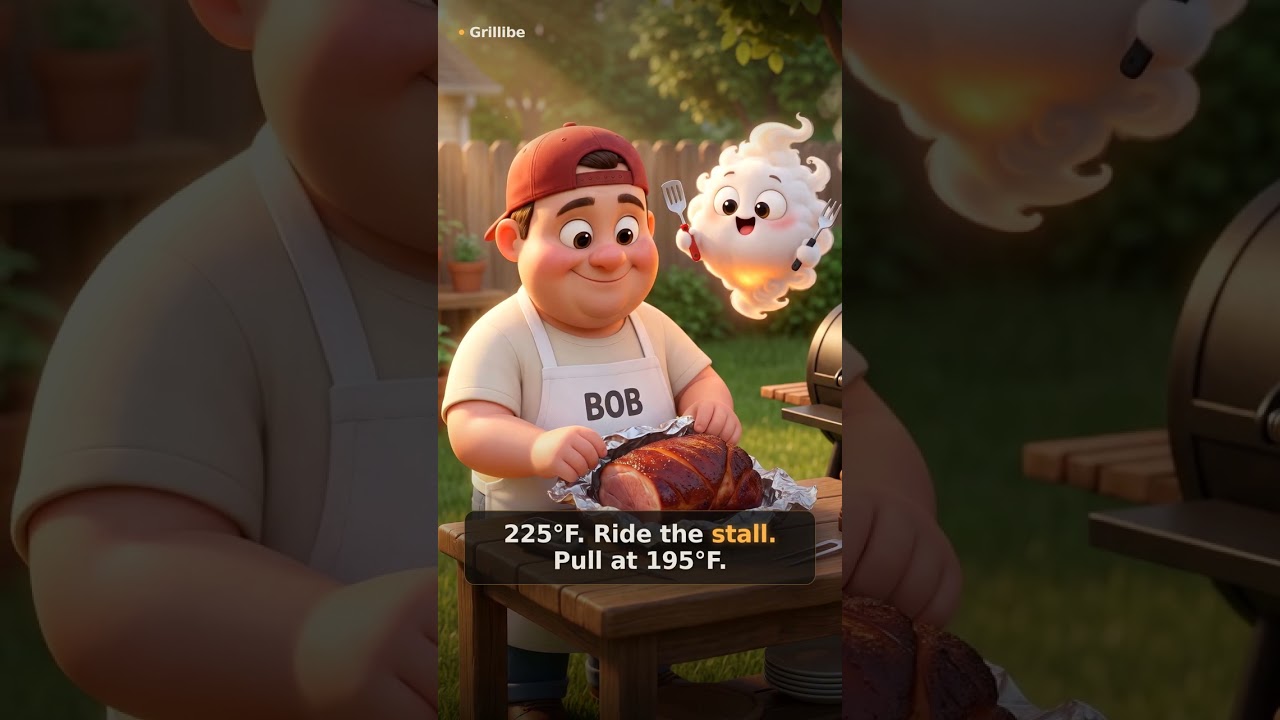
Bob put an 8-pound butt on at noon, expecting dinner by 6. By 8 PM the thermometer still read 162°F and he was ready to give up. Flip drifted over and said: that's the stall, not a mistake. This guide walks you through every stage of smoking a pork butt, from trimming and seasoning to pushing through the stall and pulling the meat at the right temperature.
Affiliate disclosure: Grillibe may earn a commission from links on this page. We only recommend BBQ gear that fits the cook, problem, or beginner setup.
Quick answer
For pulled pork, smoke a pork butt at 225°F for a slower cook or 275°F when you need it done sooner, then pull it at 195 to 205°F when it probes tender. Plan on about 2 hours per pound at 225°F or 1 to 1.5 hours per pound at 275°F. The stall often starts near 150 to 170°F. Rest it at least 1 hour before pulling.
Choosing your cook temperature
Two temperatures work well for pork butt and each gives you something different. 225°F is the traditional low-and-slow approach. The meat stays in the smoke longer, the bark builds up gradually, and the connective tissue has plenty of time to break down. The ThermoWorks pulled pork guide confirms that 225°F is the standard for a reason.
275°F cuts the cook time by 30 to 40 percent without wrecking the texture. The bark comes out a little thinner and the cook is less forgiving if you walk away, but it is a solid choice when you are working against a clock. Pick one temperature and hold it steady throughout the cook.
How long it actually takes
Time estimates for pork butt are wide because every piece of meat is different. Use these ranges as a planning guide, not a finish line. Your thermometer tells you when it is done, not the clock.
At 225°F, plan for roughly 2 hours per pound. An 8-pound butt can take 12 to 18 hours. A 10-pound butt can push past 20 hours. At 275°F, the same 8-pound butt typically finishes in 8 to 12 hours. Build in extra time and hold the finished butt in a cooler if it finishes early.
- 8 lb at 225°F: 12 to 18 hours
- 10 lb at 225°F: 15 to 20+ hours
- 8 lb at 275°F: 8 to 12 hours
- 10 lb at 275°F: 10 to 14 hours
The stall and how to handle it
The stall is the part that trips up most first-time pork butt cooks. Around 150 to 170°F, the internal temperature stops climbing and may even drop a degree or two. This happens because moisture evaporating off the surface of the meat cools it at the same rate the smoker is heating it. It can last 2 to 4 hours.
You have two options. The first is patience. Leave the butt unwrapped and let it push through on its own. This gives you a thicker, crunchier bark. The second is the Texas crutch: wrap the butt tightly in two layers of heavy-duty foil once it hits 165°F. Wrapping traps moisture and heat, which breaks the stall in 30 to 60 minutes. If bark is your priority, check out the pork butt bark guide before you decide.
Knowing when it is done
The target internal temperature for pulled pork is 195 to 205°F. At that range, the collagen has converted to gelatin and the muscle fibers separate easily. The USDA safe minimum for pork is 145°F, but that temperature leaves a butt tough and impossible to pull. You need the extra heat to soften the connective tissue.
Temperature alone is not the whole story. Use the probe test as your final check. Insert a probe or skewer into the thickest part of the meat, away from bone. If it slides in with almost no resistance, the butt is ready. If you feel any drag, give it another 30 minutes and check again. Most butts hit their sweet spot right around 202 to 205°F.
Resting and pulling the meat
Do not skip the rest. After you pull the butt off the smoker, wrap it tightly in foil, then wrap that in a clean towel, and place it in a dry cooler. Let it rest for at least 1 hour. This step lets the juices redistribute through the meat instead of running out onto your cutting board when you pull it apart.
After resting, pull the meat with two forks or your hands (use gloves). The bone should slide out cleanly. Break the meat into chunks first, then pull those chunks apart into shreds. Add any juices that collected in the foil back into the pulled pork before serving. For a complete cook-to-table walkthrough, the 3-2-1 ribs guide covers the same low-and-slow principles if you want to run both proteins on the same cook.
A simple timing plan for an 8-pound pork butt
For an 8-pound pork butt, start early. At 225°F, plan for about 16 hours of cook time. At 275°F, plan for about 8 to 12 hours. These are planning numbers, not promises. The stall, the shape of the meat, and how steady your smoker runs can all change the finish time.
Put the pork butt on the smoker when the grate is steady at your chosen temperature. Leave it alone for the first 3 to 4 hours so the bark can set. Start checking the color and bark after that. If the bark looks dark and firm, you can wrap when the meat is in the stall, often around 150 to 170°F internal.
After wrapping, keep cooking until the internal temperature is in the 195 to 205°F range. Do not pull it just because it hits a number. Push a probe into a few spots. It should slide in with little resistance. If it feels tight, keep cooking and check again in 20 to 30 minutes.
Build in a rest. A 1 hour rest is the minimum. A 2 hour rest gives you more room if dinner time is still a bit away. Keep it wrapped during the rest so the juices settle and the meat pulls cleanly.
Short-form angle
Flip explains the stall in real time: a side-by-side shot of a wrapped vs. unwrapped pork butt at hour 10, showing the temperature difference on two probes.
FAQ
What temperature do you smoke a pork butt at?
Smoke a pork butt at 225°F for a traditional low-and-slow cook or 275°F if you want to cut the time down. Hold whichever temperature you choose steady throughout the cook.
How long does it take to smoke an 8-pound pork butt?
At 225°F, an 8-pound pork butt takes 12 to 18 hours. At 275°F, expect 8 to 12 hours. Always use a probe thermometer rather than relying on time alone.
What is the stall when smoking pork butt?
The stall is a period where the internal temperature stops rising, usually between 150 and 170°F. Surface moisture evaporates and cools the meat at the same rate the smoker heats it. You can wait it out or wrap the butt in foil to push through faster.
What internal temperature should pork butt reach for pulled pork?
Pull the pork butt at 195 to 205°F. At that range the connective tissue has broken down and the meat shreds easily. The probe test matters too: the skewer should slide in with almost no resistance.
How long should you rest a pork butt after smoking?
Rest the pork butt for at least 1 hour. Wrap it in foil, then a towel, and place it in a dry cooler. This keeps the juices in the meat instead of losing them when you pull it apart.
Should you wrap pork butt when smoking?
Wrapping in foil (the Texas crutch) once the butt hits 165°F breaks the stall faster and keeps the meat moist. Leaving it unwrapped builds a thicker, crunchier bark. Both methods work. It comes down to whether bark or moisture is your priority.