Backyard carnitas guide
Pork butt carnitas: crispy outside, tender inside
Published July 10, 2026
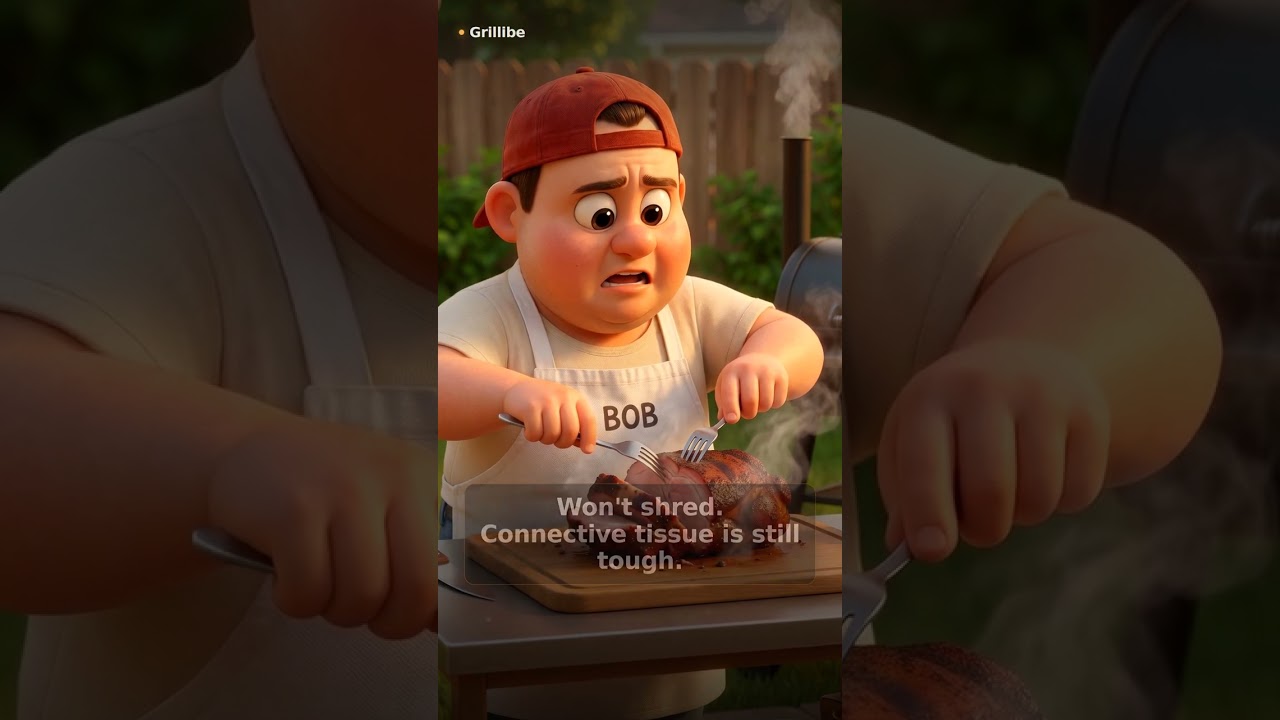
Pork butt carnitas fail for one reason: the meat never gets hot enough to melt the connective tissue. You end up with chewy, greasy chunks instead of pull-apart pork with crispy edges. Cook to the right internal temperature, finish in a hot oven, and you fix both problems at once.
Affiliate disclosure: Grillibe may earn a commission from links on this page. We only recommend BBQ gear that fits the cook, problem, or beginner setup.
Quick answer
Cook pork butt low and slow at 275°F oven temp until the internal meat temperature hits 200°F to 205°F. That heat melts the collagen so the pork pulls apart cleanly. Then crank the oven to 400°F and roast the shredded pieces for 15 to 20 minutes until the edges crisp up. Use a thermometer, not a timer, to know when to pull the meat.
Why temperature matters more than time
Pork is technically safe to eat at 145°F, but that temperature does nothing for carnitas. Connective tissue starts to dissolve around 170°F, and collagen fully melts near 203°F. Pull the pork before it hits that range and you get tough, chewy meat no matter how long it cooked.
According to ThermoWorks, keeping the cooking fat at around 200°F to 220°F maintains a consistent environment for collagen melt. That is why a low oven and a fat-based braise work so well together. The fat surrounds the meat and holds a steady temperature without drying it out.
How to set up your oven for the confit stage
Set your oven to 275°F. At that setting, the fat in the pot stays right around 200°F, which is exactly where you want it for the slow cook. A higher oven temp pushes the fat too hot and can tighten the meat fibers before the collagen has time to melt.
Use a heavy Dutch oven or deep roasting pan. Add enough lard, rendered pork fat, or neutral oil to come at least halfway up the pork pieces. You are not deep frying. You are creating a stable, even heat bath that cooks the meat gently for 2 to 3 hours.
Step-by-step: pork butt carnitas from start to finish
This method works on a bone-in or boneless pork butt. Cut the butt into 3 to 4 inch chunks before cooking so each piece heats evenly and you get more surface area for crisping later. Season generously with salt, pepper, cumin, and dried oregano the night before if you can.
Bob once skipped the overnight salt and wondered why his carnitas tasted flat. Flip's fix was simple: season early, and the salt has time to work into the meat before the fat ever hits the pan.
- 1Cut pork butt into 3 to 4 inch chunks and season with salt, cumin, oregano, and pepper.
- 2Place the chunks in a Dutch oven and cover halfway with lard or neutral oil. Add a halved onion, a few garlic cloves, and a bay leaf.
- 3Set the oven to 275°F and cook uncovered for 2 to 3 hours.
- 4Start checking the internal temperature at the 2-hour mark. You are looking for 200°F to 205°F in the thickest piece.
- 5Pull the pork from the fat and let it rest on a sheet pan for 10 minutes. Shred or pull it into large chunks.
- 6Crank the oven to 400°F. Spread the pork in a single layer on the sheet pan and roast for 15 to 20 minutes until the edges are golden and crispy.
- 7Serve immediately. Carnitas lose their crisp fast, so get them to the table while they are hot.
How to tell when the pork is actually done
Do not guess by color or how easy it is to poke with a fork. Use a probe thermometer and check the thickest chunk. The target is 200°F to 205°F. At that range, the collagen has melted into gelatin and the meat will pull apart with almost no effort. Below 195°F, you will still hit some resistance.
Total cook time from oven-in to crispy finish runs about 2.5 to 3.5 hours depending on how large your chunks are and how your oven runs. If your oven runs cool, the pork may need an extra 30 minutes. Check the pork butt bark guide for more on reading pork butt doneness by feel and temperature together.
Common mistakes and how to fix them
The most common problem is pulling the pork too early. If the meat shreds but still has chewy spots, it likely came off at 190°F or below. Put it back in the fat bath and give it another 20 to 30 minutes. Check the temp again before moving to the crisp stage.
Soggy carnitas after the 400°F finish usually means the pork was crowded on the sheet pan. Steam builds up between pieces and prevents browning. Spread the chunks out so each piece has at least an inch of space around it. If you have a lot of pork, use two pans instead of one.
- Meat is chewy: internal temp was too low. Return to the fat bath and cook to 200°F to 205°F.
- Carnitas are soggy: too much fat left on the meat or pieces were crowded. Pat dry before roasting and spread them out.
- Meat is dry and stringy: the oven ran too hot or the pork overshot 210°F. Add a spoonful of the cooking fat back over the meat before serving.
- No crisp after 400°F: the sheet pan was lined with foil and the fat pooled. Use a bare pan or a wire rack over a sheet pan so the fat drips away.
- Bland flavor: seasoning went on right before cooking. Salt needs time. Season at least 2 hours ahead, overnight is better. See how we season pork butt for bark for a deeper look at dry rubs.
Short-form angle
Show a side-by-side of pork pulled at 190°F vs 203°F to prove why internal temp is the only thing that matters for carnitas texture.
FAQ
What internal temperature should pork butt carnitas reach?
Cook pork butt carnitas to 200°F to 205°F internal temperature. That is the point where collagen fully melts and the meat pulls apart easily. Pork is food-safe at 145°F, but carnitas need that extra heat for the right texture.
Can I make pork butt carnitas without lard?
Yes. Lard gives the best flavor, but you can use rendered bacon fat, chicken fat, or a neutral oil like avocado oil. The goal is enough fat to surround the meat and hold a steady 200°F to 220°F cooking temperature in the pot.
How long does it take to cook pork butt carnitas?
Plan for 2.5 to 3.5 hours total. The slow confit stage at 275°F takes 2 to 3 hours depending on chunk size. The 400°F crisp finish takes another 15 to 20 minutes. Always check temperature rather than relying on time alone.
Why are my carnitas chewy even after a long cook?
Chewy carnitas almost always mean the internal temperature did not reach 200°F. Connective tissue starts breaking down around 170°F but needs to hit 200°F to fully melt. Put the meat back in the fat bath and cook until a thermometer reads 200°F to 205°F in the thickest piece.
Can I smoke pork butt for carnitas instead of using the oven?
Yes. Smoke the pork butt chunks at 250°F to 275°F until they hit 200°F to 205°F internal, then transfer to a pan with hot fat or finish on a sheet pan at 400°F to crisp the edges. You get a light smoke flavor on top of the classic carnitas taste.