Pellet grill guide
Pellet grill for smoking: temps, times, and real smoke flavor
Published September 15, 2026
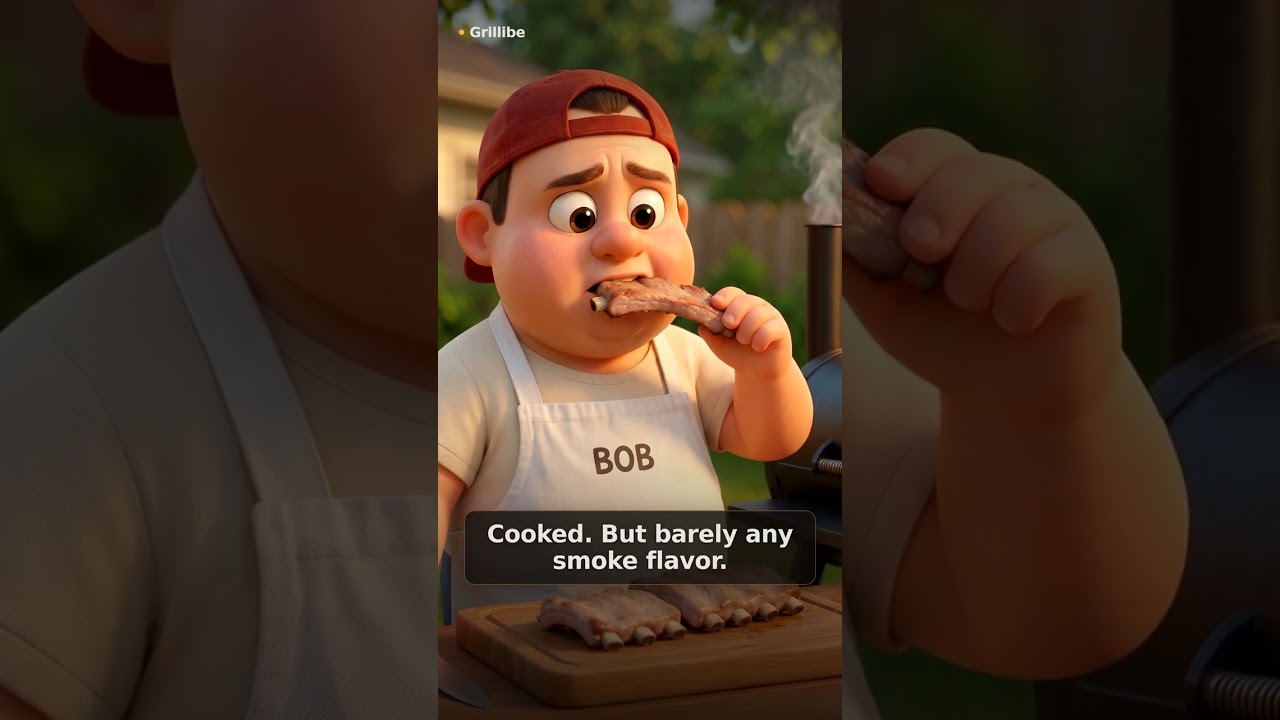
A pellet grill makes low-and-slow cooking easy, but a lot of backyard cooks fire theirs up, set it to 225 F, and wonder why the smoke flavor is thin. The fix is mostly about temperature sequencing and giving the cooker time to produce dense smoke before you rush the cook. This guide walks you through exactly how to get the most out of your pellet grill for smoking.
Affiliate disclosure: Grillibe may earn a commission from links on this page. We only recommend BBQ gear that fits the cook, problem, or beginner setup.
Quick answer
Start your pellet grill on the Smoke or lowest setting, around 180-225 F, and let the meat sit in that smoke for 30-60 minutes before raising the temp to 225-250 F for the main cook. Use a leave-in probe thermometer so you know when your meat hits the right internal temp, not just a timer. Pull poultry at 165 F internal and brisket when the thickest part probes at 200-205 F.
How a pellet grill actually makes smoke
Understanding the machine helps you use it better. According to ThermoWorks, a pellet grill uses an auger to feed wood pellets into a fire pot, and a fan supplies airflow for both combustion and heat circulation. The fan speed and auger rate change together to hit your setpoint.
At lower setpoints, the fire pot runs cooler and produces denser, more visible smoke. At higher setpoints, the pellets burn hotter and cleaner, which means less smoke flavor but faster cooking. That is why the temperature you choose at the start of a cook matters as much as the temp you finish at.
The smoke setting and why you should use it first
Most pellet grills have a dedicated Smoke setting that runs around 165-225 F to generate more visible smoke. This is the setting Bob ignores and Flip always starts with. Putting cold meat on a cooler fire at this stage gives the surface time to absorb smoke compounds before the bark seals up.
ThermoWorks recommends starting on the lowest or Smoke setting for 30-60 minutes before raising the cooker to 225-250 F for maximum smoke flavor. For larger cuts like pork shoulder or brisket, you can extend that low-smoke phase to 1-3 hours without any problem, since those cuts take a long time to cook anyway.
Temperature targets for common smoked meats
Every cut has a finish temperature that tells you it is actually done, not just hot. Cooking by time alone leads to dry chicken or tough brisket. Use a probe thermometer and pull each cut when it hits the right internal number.
Here are the targets to work with on your pellet grill:
- Brisket: smoke at 225-250 F, wrap around 165 F internal, finish at 200-205 F internal in the thickest part. Serious Eats walks through this wrap-and-finish method in their smoked brisket recipe.
- Pork shoulder (pulled pork): 225-250 F the whole cook, pull at 195-205 F internal for shredding.
- Chicken thighs or whole birds: the USDA sets the safe minimum at 165 F internal for all poultry. Pull and rest for 5-10 minutes.
- Ribs: 225-250 F for 4-6 hours. Probe between bones at 195-203 F and do the bend test.
- Salmon: run the cooker at 180-200 F and pull fish at 145 F internal.
Choosing wood pellets for the right smoke flavor
The pellet flavor you choose changes the final taste of the meat. Mild pellets like apple or cherry work well on poultry and fish because those proteins are delicate. Strong pellets like hickory or mesquite pair better with beef and pork, where the meat can hold up to a heavier smoke.
A common approach is to blend pellets, using a bag of hickory mixed with apple for pork ribs, for example. Most pellet grills burn any brand of food-grade pellet without issue, but avoid pellets with fillers or added oils. Pure hardwood pellets burn cleaner and produce better smoke. Check out our smoked chicken thighs guide for a good example of matching pellet flavor to a specific protein.
What to look for when buying a pellet grill for smoking
Not all pellet grills smoke equally well. The features below make a real difference for smoke output and temperature control. AmazingRibs covers the low-and-slow range of 225-250 F as the standard for large cuts, and your grill needs to hold that range steadily without big swings.
Look for these features before you buy:
- A dedicated Smoke or Super Smoke setting that runs below 225 F for the smoke-heavy start phase.
- PID temperature controller: keeps the chamber within a few degrees of your setpoint instead of swinging 20-30 F up and down.
- Double-wall or insulated construction: helps hold temp in cold weather and reduces pellet consumption.
- A large hopper (at least 18-20 lbs): lets you run long overnight cooks without refilling.
- Probe ports or built-in meat probes: so you can monitor internal temp without lifting the lid and losing heat.
- See our recommended gear page for specific pellet grill picks at different price points.
Short-form angle
Flip shows Bob the two-phase pellet grill method: start on Smoke for 45 minutes, then bump to 250 F, with a side-by-side taste test against a cook that skipped the low-smoke phase.
FAQ
Why does my pellet grill not produce much smoke?
The most common reason is that the setpoint is too high. At 300 F or above, pellets burn clean and fast with little visible smoke. Drop the cooker to the Smoke setting or 180-225 F for the first 30-60 minutes of the cook to get denser smoke before raising the temp.
What temperature should I smoke a brisket on a pellet grill?
Start on the Smoke setting for 1-2 hours, then raise to 225-250 F for the main cook. Wrap the brisket when it hits about 165 F internal, then continue until the thickest part probes at 200-205 F.
Can I use any brand of pellets in my pellet grill?
Yes, most pellet grills accept any standard food-grade hardwood pellet. Stick to pure hardwood pellets without fillers or added flavoring oils. Different wood species give different smoke flavors, so match the wood to the protein you are cooking.
How long does it take to smoke a chicken on a pellet grill?
A whole chicken at 225-250 F usually takes 3-4 hours depending on size. Chicken thighs at 250 F are typically done in 1.5-2 hours. Always pull poultry when the thickest part of the meat reads 165 F internal, not by time alone.
Do pellet grills give as much smoke flavor as offset smokers?
Pellet grills produce a milder, cleaner smoke than a wood-fired offset. You can close the gap by using the Smoke or Super Smoke setting at the start of the cook and choosing stronger pellets like hickory or mesquite. Most backyard cooks find the flavor plenty satisfying for everyday BBQ.