Clean smoke guide
Wood chunks smoldering instead of smoking clean: the fix
Published June 12, 2026
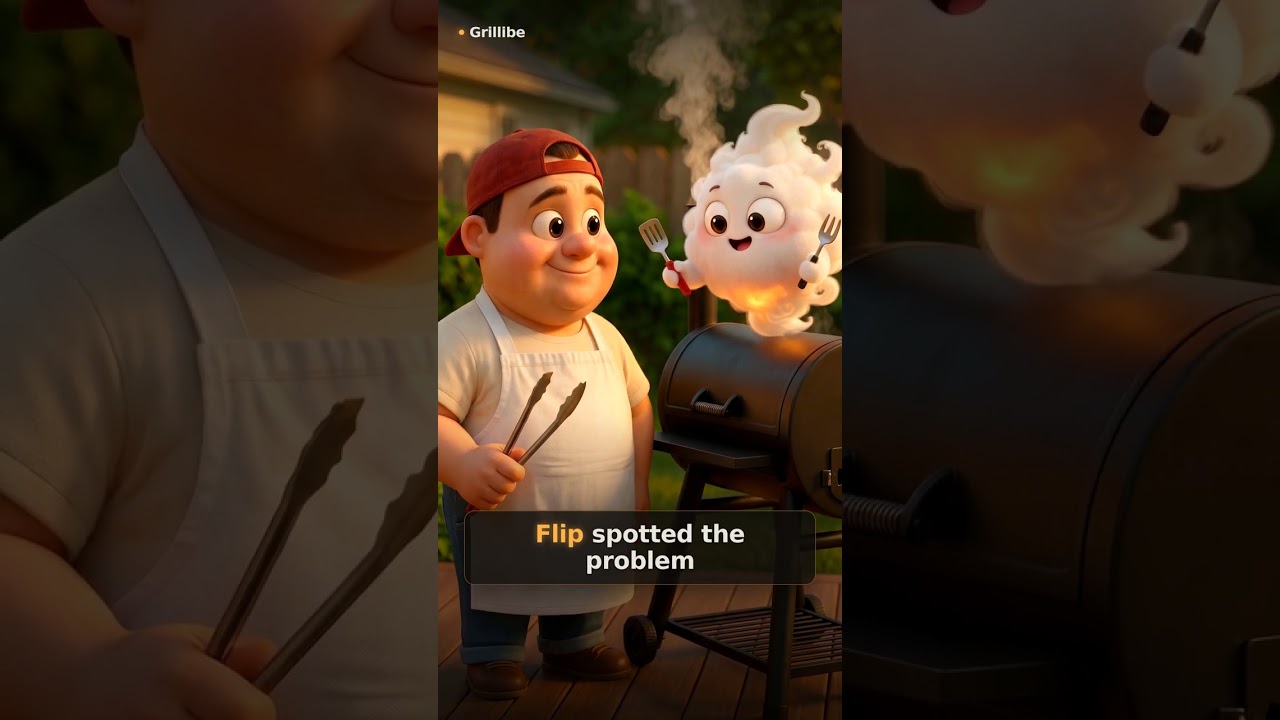
If your wood chunks are smoldering and pumping out thick white or gray smoke, your food is picking up bitter, acrid flavors instead of clean wood smoke. The fix is not about the wood itself. It is about fire management and how you introduce the wood to the fire. This guide explains exactly what causes smoldering and gives you a step-by-step process to get clean, thin blue smoke on every cook.
Affiliate disclosure: Grillibe may earn a commission from links on this page. We only recommend BBQ gear that fits the cook, problem, or beginner setup.
Quick answer
Wood chunks smolder when they land on a fire that does not have enough heat or oxygen to ignite them cleanly. Place chunks directly on lit coals, not on unlit fuel or the grate. Your fire needs to be at 250 F or above before you add wood. Never soak chunks in water. One or two fist-sized chunks at a time is enough. Thick white smoke means smoldering. Thin blue or nearly invisible smoke means clean combustion.
Why your wood chunks are smoldering in the first place
Wood chunks smolder when they do not get enough heat or oxygen to reach full combustion. At that point they off-gas creosote and other compounds that coat your food with a bitter, acrid taste. Flip calls this "dirty smoke" and it is the number one reason backyard cooks end up with food that tastes like an ashtray.
The two most common causes are placing chunks on unlit charcoal and adding too many chunks at once. When a chunk sits on cold or barely-lit fuel, it heats slowly and smolders for a long time before it ever burns cleanly. Adding three or four chunks at once overwhelms the fire and drops the oxygen level, which makes all of them smolder together.
The difference between clean smoke and dirty smoke
Clean smoke is thin, blue, and nearly invisible against the sky. It smells sweet and woody. Dirty smoke is thick, white, or gray and smells sharp or bitter. According to the food science team at amazingribs.com, the compounds in dirty smoke, especially creosote, are what give over-smoked meat that harsh, medicine-like flavor.
You want to see thin blue smoke coming out of your vents for the entire cook. If you see a big white puff every time you add a chunk, that chunk is smoldering before it catches. The goal is to get each chunk igniting quickly and burning at a steady rate.
How to place wood chunks so they catch clean
Placement is the most important variable. A chunk placed directly on a bed of hot, glowing coals will ignite in 2 to 4 minutes and start producing clean smoke almost immediately. A chunk buried under unlit charcoal or sitting on the grate above the coals will smolder for 15 to 30 minutes before it ever burns properly.
Follow these steps every time you add wood to the fire.
- 1Get your fire fully established first. Coals should be glowing red with a light gray ash coating before you add any wood.
- 2Use one chunk at a time for most cooks. Two chunks is the maximum for a large offset smoker or kettle running a long cook.
- 3Set the chunk directly on top of the hottest part of the coal bed, not buried in it and not on the grate above it.
- 4Leave the lid off for 60 to 90 seconds after placing the chunk. This burst of oxygen helps it ignite quickly instead of smoldering.
- 5Replace the lid and watch the vent smoke. If it runs thin and blue within 3 to 5 minutes, you are good. If it stays thick and white after 5 minutes, open the vents wider to push more oxygen to the fire.
- 6Wait until the chunk is fully burning and the smoke thins out before you put food on, or before you add another chunk.
Stop soaking your wood chunks (and what to do instead)
Soaking wood chunks in water is one of the most repeated pieces of bad advice in backyard BBQ. The idea is that wet wood produces more smoke, but what it actually produces is steam and smoldering for the first 20 to 30 minutes while the water burns off. During that entire phase you are getting dirty smoke, not clean smoke. Check out our pork butt bark guide to see how clean smoke affects the final crust on a long cook.
Dry chunks ignite faster, burn cleaner, and give you more control. If you are worried about a chunk burning up too quickly, use a larger chunk rather than a soaked one. A fist-sized dry chunk on a steady 250 F fire will last 45 to 90 minutes depending on the wood species and your airflow.
Vent settings that support clean combustion
Your vents control oxygen, and oxygen controls whether your wood burns clean or smolders. If your vents are too closed down, the fire starves and every chunk you add will smolder. Run your intake vent at 50 to 75 percent open during a low-and-slow cook. If you see thick white smoke after adding a chunk, open the intake vent fully for 3 to 5 minutes to spike the oxygen and get the chunk ignited, then dial back.
Temperature also matters. Wood chunks need a fire running at 250 F or above to ignite cleanly. If your cooker is running below that, fix the fire temperature before you worry about the wood. For a deeper look at how smoke interacts with different proteins, the smoked chicken thighs guide covers vent management during a full cook. You can also cross-check your cooker temps with a reliable probe thermometer, and ThermoWorks has a good breakdown of where to place probes for accurate readings.
- Intake vent 50 to 75 percent open for steady low-and-slow temps
- Open intake vent fully for 3 to 5 minutes after adding a chunk to help it ignite
- Exhaust vent should stay fully open during a smoke cook so gases can escape
- If white smoke persists past 5 minutes, check that the chunk is sitting on live coals, not on ash or unlit fuel
- Never close both vents down tight while food is on, the fire will smolder everything inside the cooker
Short-form angle
Flip shows Bob two chunks side by side: one placed on cold unlit charcoal and one placed on hot glowing coals, then the camera watches the smoke from each to show the difference between dirty white smoke and clean blue smoke in real time.
FAQ
Why is my wood chunk producing white smoke instead of blue smoke?
White smoke means the chunk is smoldering, not burning cleanly. It is usually caused by placing the chunk on unlit or low-heat coals, or by adding too many chunks at once. Place one dry chunk directly on hot, glowing coals and open your intake vent fully for a few minutes to help it ignite. The smoke should thin out and turn blue within 3 to 5 minutes.
Should I soak wood chunks before smoking?
No. Soaking wood chunks does not help. Wet chunks produce steam and smoldering dirty smoke for 20 to 30 minutes while the water burns off. Use dry chunks and control the smoke by managing fire temperature and vent settings instead.
How many wood chunks should I use for a smoke cook?
One fist-sized chunk at a time is the right amount for most backyard cookers. Two chunks is the maximum for a large offset or kettle on a long cook like a pork butt. Adding more than that at once overwhelms the fire and causes all of them to smolder together.
How long does a wood chunk last on the fire?
A dry, fist-sized chunk on a steady 250 F fire will last roughly 45 to 90 minutes depending on the wood species and how open your vents are. Denser woods like hickory and oak burn slower than fruit woods like apple or cherry.
Can I use wood chunks on a gas grill?
Yes, but it takes more effort. Place a chunk in a small foil pouch with a few holes poked in it, or use a cast iron smoker box, and set it directly over a burner on high until it starts smoking. Then reduce the burner to your target temp. Gas grills have less residual heat than charcoal so chunks are slower to ignite and more likely to smolder. Chips work better on gas for shorter cooks.