Grillibe guide
USDA Prime Brisket: What It Means
Published October 11, 2026
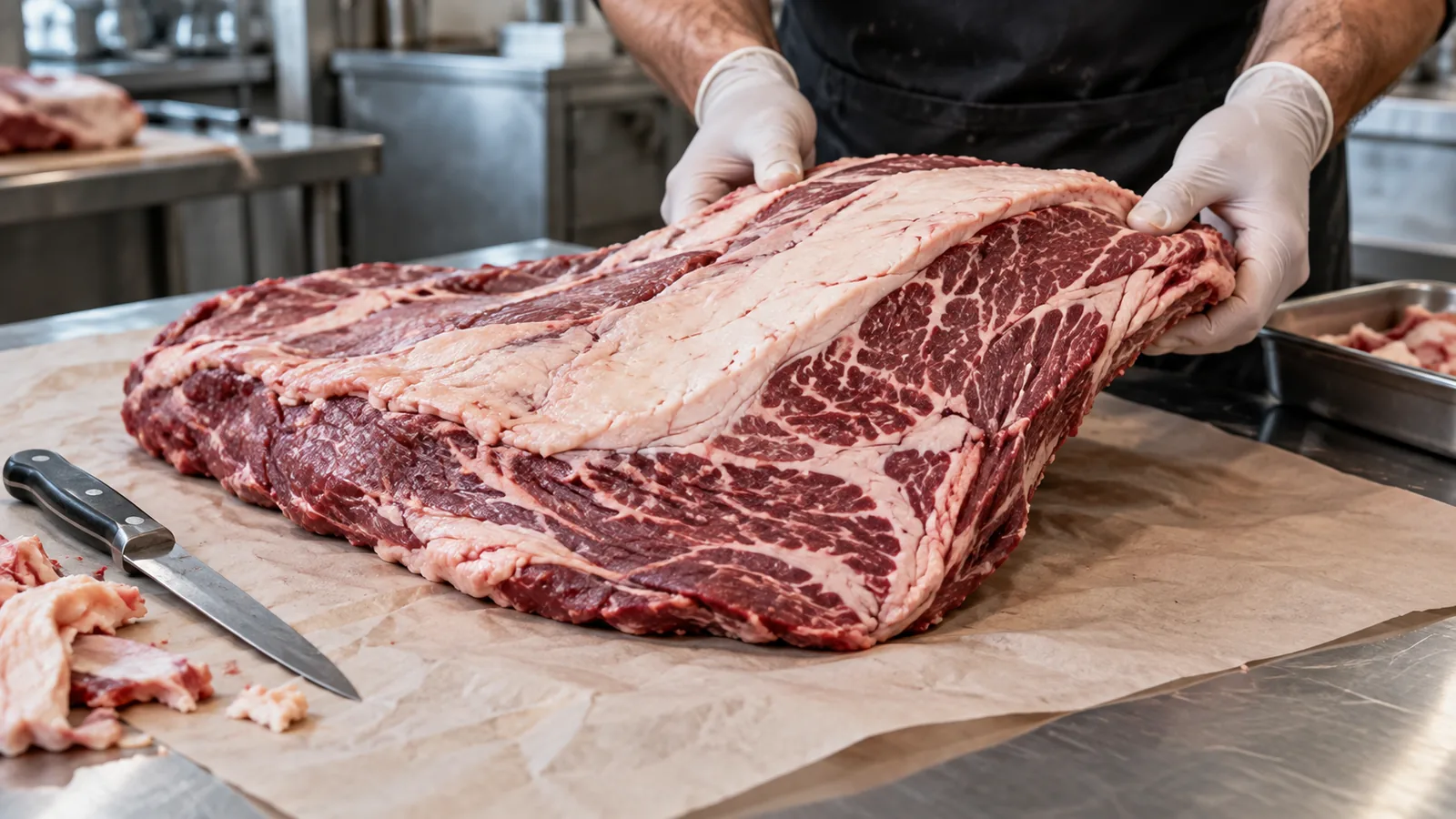
USDA Prime brisket is beef brisket with the USDA Prime grade, which means it has more marbling than lower grades. That fat melts during a long cook and can help the brisket taste richer and feel more tender. Prime brisket is not foolproof. It can still turn dry if you trim too much fat, rush the cook, skip the rest, or slice it the wrong way. If you buy one, treat it like a good cut that still needs a calm plan.
Affiliate disclosure: Grillibe may earn a commission from links on this page. We only recommend BBQ gear that fits the cook, problem, or beginner setup.
Quick answer
USDA Prime brisket is beef brisket with the USDA Prime grade, which means it has more marbling than lower grades. That fat melts during a long cook and can help the brisket taste richer and feel more tender.
USDA Prime brisket, the short answer
USDA Prime brisket comes from beef that was graded Prime by the USDA. For brisket, the big thing you notice is marbling, the thin streaks of fat inside the meat.
Marbling matters because brisket is a tough cut. It needs low, steady heat and time for the connective tissue to soften. As the fat warms, it helps the meat stay juicy and gives the slices a rich bite.
A Prime grade gives you more help, but it does not replace good cooking. You still need to trim, season, smoke, wrap, rest, and slice with care.
Prime brisket vs Choice brisket
Choice vs Prime brisket mostly comes down to marbling, forgiveness, and cost. A choice brisket can still smoke very well, especially when it has a thick point, an even flat, and a flexible feel.
- Grade or label: USDA Prime brisket; What it means: Higher marbling grade; What to expect when smoking: Richer bite and a little more forgiveness; Good fit for: Holiday meals, special cooks, cooks who want extra fat inside the meat
- Grade or label: Choice brisket; What it means: Common way people refer to USDA Choice brisket; What to expect when smoking: Can turn out tender with good technique; Good fit for: Regular backyard cooks and practice briskets
- Grade or label: USDA Choice brisket; What it means: Official USDA grade below Prime; What to expect when smoking: Less marbling than Prime, but still a strong smoking option; Good fit for: Cooks who want value and are willing to manage the cook closely
Is USDA Prime brisket worth it?
USDA Prime brisket is worth it when you want a richer brisket and are cooking for a meal that matters. The extra marbling can give you more room for small mistakes, such as a slightly longer cook or a flat that runs a little lean.
It may not be worth it if you are still learning your smoker or cooking for a casual weeknight meal. A good USDA Choice brisket can teach you a lot and still taste great.
If the Prime brisket looks thin, stiff, or uneven, do not buy it just for the grade. Shape and feel still matter.
What to look for when buying USDA Prime brisket
For smoking, look for a whole packer brisket. That means it includes both the flat and the point. The flat is the leaner sliceable part. The point is thicker, fattier, and often more forgiving.
Use this quick buying checklist:
- Point: Choose a thick point with visible fat.
- Flat: Look for an even flat, not one that gets thin at the edge.
- Fat cap: A steady fat cap is helpful, but it should not hide a poor shape.
- Bend: Pick a brisket with some flex when you lift it.
- Shape: Even thickness cooks more evenly.
- Smoker fit: Make sure it fits your smoker with space for airflow.
How to smoke a USDA Prime brisket
Start by trimming hard fat and any thin, ragged edges. Leave enough fat to protect the meat, but do not leave thick chunks that will not render well.
Season simply with salt and pepper, or use your normal brisket rub. Let the smoker settle into a low, steady range. Put the brisket on with the thicker point facing the hotter side if your cooker has one.
Cook until the bark looks dark and set. During the middle of the cook, the brisket may stop rising in temperature for a while. That is the brisket stall, and it is normal.
When to wrap, rest, and slice Prime brisket
Wrap when the bark is set and the brisket has moved through the stall or is deep into it. Butcher paper lets the bark breathe more. Foil can speed things up and hold more moisture, but it can soften bark.
If you want more help choosing the right moment, read this guide on when to wrap brisket.
After wrapping, keep cooking until the thickest parts feel tender when probed. The probe should slide in with little resistance. Then rest the brisket so the juices settle. Slice across the grain, not with it.
Common mistakes with USDA Prime brisket
The biggest mistake is thinking Prime grade makes the cook automatic. It does not.
Watch out for these problems:
Prime brisket can still come out dry. If that has happened to you before, this guide explains why brisket turns dry and what to change next time.
- Over-trimming the fat and leaving the flat exposed.
- Cooking by time only instead of tenderness.
- Opening the smoker too often and losing steady heat.
- Wrapping before the bark is set.
- Skipping the rest.
- Slicing with the grain instead of across it.
Need a holiday brisket plan?
Holiday brisket is harder because you are not just cooking meat. You are trying to serve on time, keep guests fed, and avoid carving a dry flat at the table.
A brisket timeline helps you work backward from mealtime. It also gives you room for the stall, the wrap, the finish, and the rest. That matters because brisket is done when it is tender, not when the clock says it should be done.
If you want a step-by-step timeline for a holiday cook, use the holiday brisket plan. It helps you plan the cook around your serving time so you are not guessing when to start, wrap, rest, and slice.
FAQ
What is USDA Prime brisket?
USDA Prime brisket is brisket from beef graded Prime by the USDA. It usually has more marbling than lower grades. That marbling can make the brisket taste richer and help it stay moist during a long smoke.
Is Prime brisket better than Choice brisket?
Prime brisket usually has more marbling than Choice brisket, so it can be richer and a little more forgiving. But a well-shaped Choice brisket can still cook very well. Do not choose by grade alone.
Is USDA Choice brisket good for smoking?
Yes, USDA Choice brisket is good for smoking when the brisket has a solid point, an even flat, and decent fat. It may need a little more care than Prime because it has less marbling, but it can still be tender and flavorful.
How do you cook a USDA Prime brisket?
Trim hard fat, season the brisket, smoke it low and steady, wrap when the bark is set, and keep cooking until it feels tender. Then rest it before slicing. Slice across the grain so each bite is easier to chew.
Can USDA Prime brisket still be dry?
Yes, USDA Prime brisket can still be dry. Prime grade helps, but it does not fix rushed cooking, over-trimming, not resting, or slicing the wrong way. Use tenderness, bark, and rest as your main signs.