Tri-tip cook guide
Steakhouse tri-tip: pull temps, rest times, and slicing
Published August 2, 2026
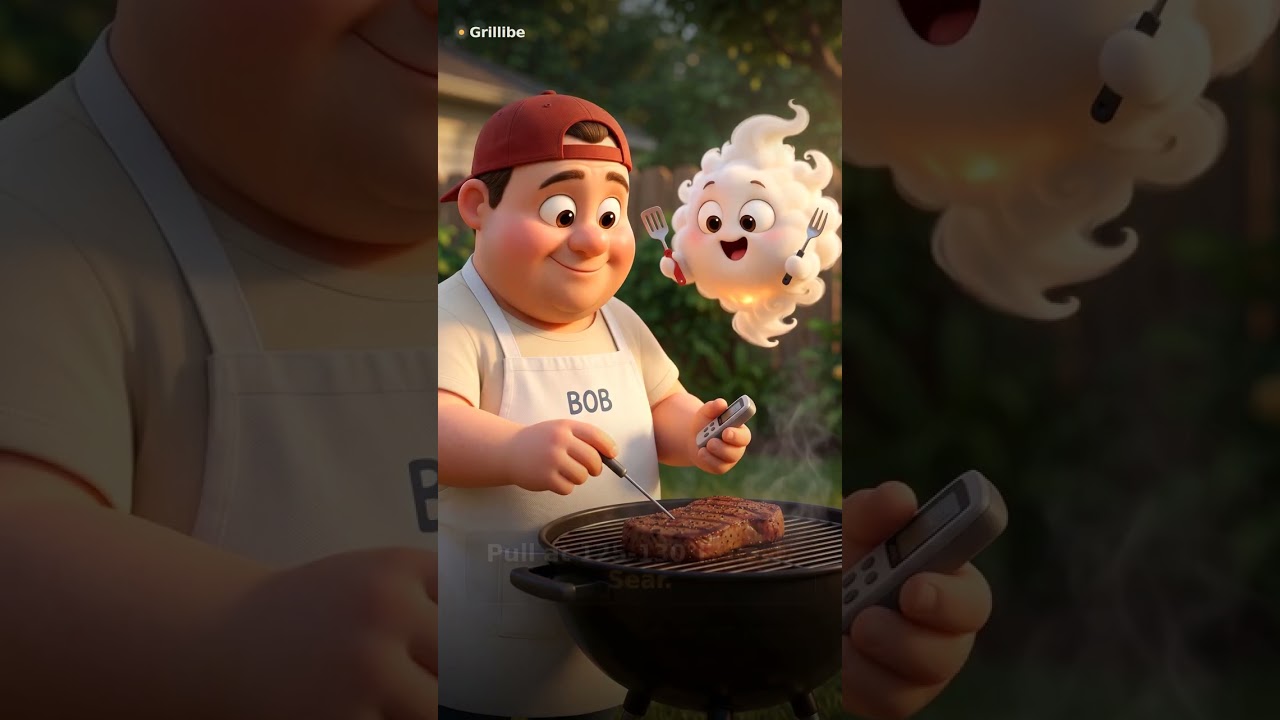
Bob bought a tri-tip, threw it on the grill, and sliced it straight down the middle. It was chewy, uneven, and nothing like the steakhouse version he was chasing. The fix comes down to three things: pull it at the right internal temperature, rest it long enough, and slice across the grain.
Affiliate disclosure: Grillibe may earn a commission from links on this page. We only recommend BBQ gear that fits the cook, problem, or beginner setup.
Quick answer
Pull your tri-tip at 125-130 F and let carryover heat bring it to 130-135 F for medium-rare after a 10-15 min rest. If you want medium, pull at 130-135 F and rest until it reaches 135-145 F. Always slice thin and across the grain. That one slicing move turns a chewy roast into something that eats like a steakhouse cut.
Why tri-tip needs a different approach than a regular steak
Tri-tip is a triangular roast from the bottom sirloin. It is thicker than a ribeye and has two different grain directions running through it, which means you cannot just slice it any one way and call it done.
Because it is a roast and not a thin steak, the outside cooks much faster than the center. That gap is why so many backyard cooks end up with a grey ring around a tiny pink center. The fix is to cook it low and slow first, then finish hot, or to manage your grill zones carefully so the inside has time to catch up.
The two methods that give you steakhouse results
You have two solid paths to steakhouse tri-tip: the reverse sear and the smoke-then-sear. Both work on the same idea: bring the interior up slowly, then hit the outside with high heat at the end for a crust.
For the reverse sear, cook the tri-tip at 220 F in your oven or on a two-zone grill until the internal temp hits 115-120 F, then sear over high heat for 2-3 min per side. ThermoWorks recommends this low-and-slow approach before the final sear to get even doneness edge to edge. For the smoke method, run your smoker at 225-250 F for 45-90 min until you hit your pull temp, then sear or rest directly.
Pull temperatures and rest times you need to know
The numbers here are what separate a good cook from a great one. According to ThermoWorks, 130-135 F is medium-rare and 135-145 F is medium. The USDA says whole beef cuts are safe at 145 F with a 3-minute rest, so medium hits that mark.
Pull the roast 5-7 degrees below your target because carryover cooking will finish the job during the rest. Rest the tri-tip uncovered for 10-15 min on a cutting board, or wrap it in foil or butcher paper and rest it for 20-30 min if you want to hold it longer. Do not skip the rest. Cutting too early sends all the juice onto your board instead of staying in the meat.
How to slice tri-tip the right way
This is where Flip always stops Bob before he picks up the knife. Tri-tip has two sections with grain running in different directions. If you slice the whole roast in one direction, half of it will be chewy.
Here is how to handle it:
- Find the point where the grain changes direction, usually near the center of the roast.
- Separate the roast into two sections at that point.
- Slice each section across its own grain, cutting thin slices about 1/4 inch thick.
- Cut against the grain, not with it. Cutting with the grain leaves long muscle fibers intact and makes the meat tough to chew.
Seasoning and grill setup for a steakhouse crust
A steakhouse crust comes from a dry surface and high heat. Pat the tri-tip dry with paper towels before seasoning. Season with coarse salt, black pepper, and garlic powder at minimum. For a Santa Maria style, add dried rosemary and a pinch of cayenne. Let the seasoned roast sit uncovered in the fridge for 1-4 hours so the surface dries out further.
Set up a two-zone fire. Cook the roast on the cool side until it hits your pull temp, then move it to the hot side for the sear. If you are grilling direct the whole time, plan on 20-30 min total over medium heat, flipping every 5-7 min and checking temp often. For more on building a two-zone setup, see our reverse sear steak guide. You can also check our recommended gear page for the instant-read thermometer that makes hitting these temps easy.
Short-form angle
Flip shows Bob the exact spot on a tri-tip where the grain changes direction, then slices both halves correctly side by side to show the difference in texture.
FAQ
What temperature should I pull tri-tip for medium-rare?
Pull it at 125-130 F and let it rest for 10-15 min. Carryover heat will bring the center up to 130-135 F, which is medium-rare. If you pull at 135 F, you will likely overshoot into medium territory.
How long does tri-tip take to cook on a grill?
On a direct grill over medium heat, plan on 20-30 min total for a 2-pound roast. Flip every 5-7 min and check the internal temp starting at the 15-minute mark. Time alone is not reliable because roast thickness varies.
Can I smoke a tri-tip instead of grilling it?
Yes. Run your smoker at 225-250 F and cook until the internal temp hits your pull target, which takes about 45-90 min depending on roast size. Rest it wrapped in foil for 20-30 min after pulling it off the smoker.
Why is my tri-tip chewy even when it is cooked to the right temperature?
The most common reason is slicing with the grain instead of across it. Tri-tip has two grain directions. Separate the roast at the center point and slice each half across its own grain in 1/4 inch slices. That one change fixes most chewiness complaints.
Is tri-tip safe to eat at medium-rare?
Yes. The USDA says whole beef cuts are safe at 145 F with a 3-minute rest. Medium-rare tri-tip at 130-135 F carries a small residual risk, the same as any medium-rare steak, but it is a whole muscle cut with no grinding involved, which keeps that risk low.