Grillibe guide
Smoking Cook Times: Meat Smoking Time Guide
Published October 1, 2026
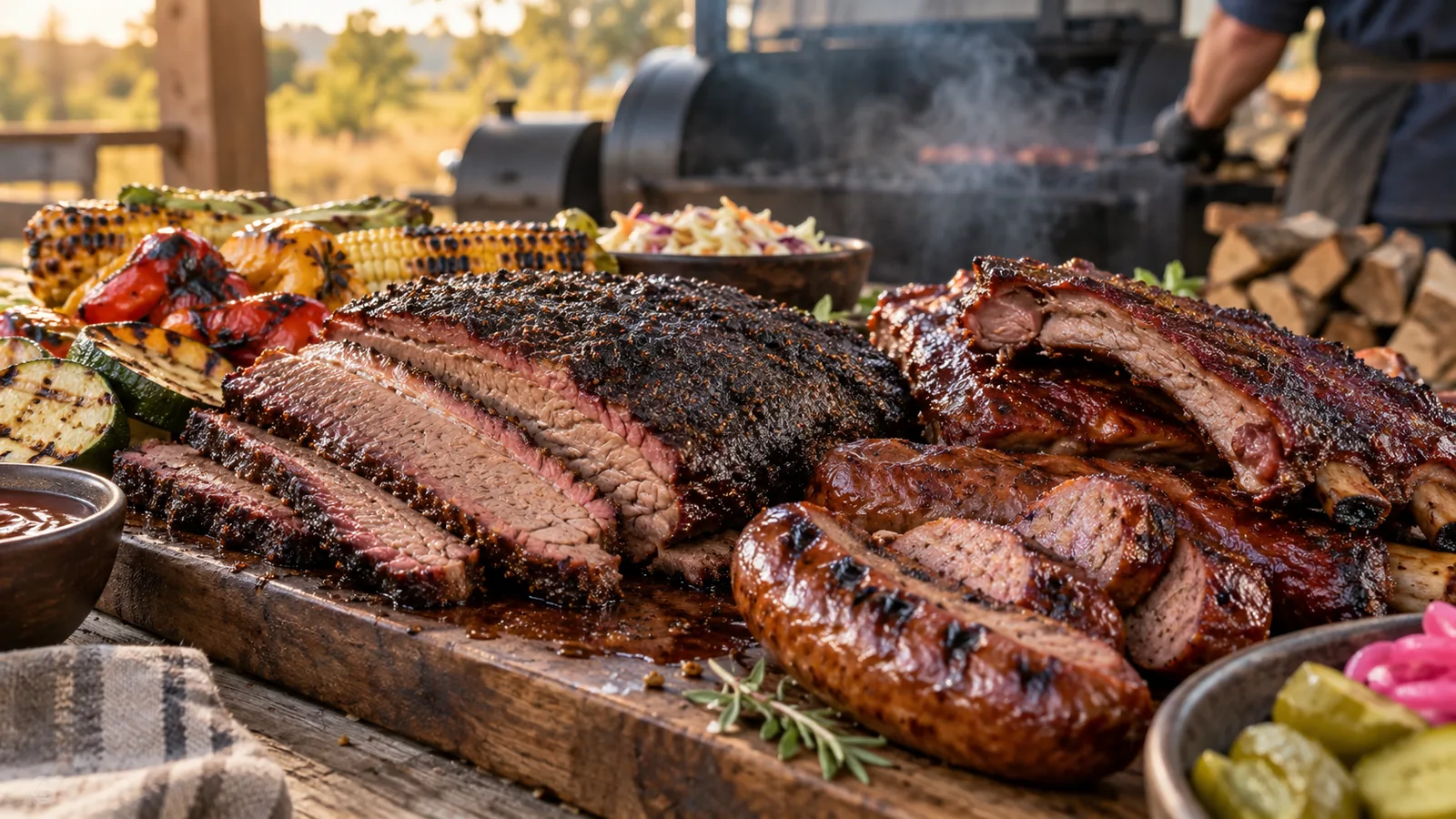
Smoking cook times are a guide, not a promise. Use time to plan your day, but use meat temperature and tenderness to decide when food is done. Bigger cuts, thicker meat, bones, lower smoker heat, cold weather, wind, and opening the smoker can all make the cook take longer. A food thermometer matters more than the clock. Follow safe doneness guidance for the meat you are cooking, then give large cuts time to rest before slicing or serving.
Affiliate disclosure: Grillibe may earn a commission from links on this page. We only recommend BBQ gear that fits the cook, problem, or beginner setup.
Quick answer
Smoking cook times are a guide, not a promise. Use time to plan your day, but use meat temperature and tenderness to decide when food is done.
Smoking cook times, quick answer
Most smoking meat cooking times are planning ranges. Small cuts may be done in a short afternoon, while large cuts like brisket, pork shoulder, and whole turkey can take much of the day.
The key rule is simple: plan by time, finish by doneness. That means you can use a smoking calculator or chart to build your schedule, but you still need to check the food with a thermometer and feel.
Tender cuts, like ribeye steak or salmon, usually cook faster. Tougher cuts, like brisket and pork shoulder, need more time because they soften slowly.
Smoking cook times chart by meat
Use this chart as a planning guide for cooking times for smoking meat. Your smoker, meat size, and weather can change the timing.
- Meat group: Beef; Common foods: Brisket, chuck roast; Planning range: Long cook; How to tell it is done: Tender when probed, safe internal temperature reached
- Meat group: Beef; Common foods: Ribeye steak, tri tip; Planning range: Short to medium cook; How to tell it is done: Cooked to your preferred safe doneness
- Meat group: Pork; Common foods: Pork shoulder, pork butt; Planning range: Long cook; How to tell it is done: Pulls apart easily, safe internal temperature reached
- Meat group: Pork; Common foods: Pork loin, pork chops; Planning range: Medium cook; How to tell it is done: Safe internal temperature reached, still juicy
- Meat group: Poultry; Common foods: Whole turkey, turkey breast, chicken; Planning range: Medium to long cook; How to tell it is done: Safe internal temperature reached in the thickest part
- Meat group: Ribs; Common foods: Pork ribs, beef ribs; Planning range: Medium to long cook; How to tell it is done: Tender, bends or probes well
- Meat group: Sausage; Common foods: Fresh sausage, smoked sausage; Planning range: Short to medium cook; How to tell it is done: Safe internal temperature reached
- Meat group: Fish; Common foods: Salmon, white fish; Planning range: Short cook; How to tell it is done: Flakes easily, safe internal temperature reached
Why smoking times change
Smoking times change because heat moves through food at different speeds. A thick pork shoulder takes longer than thin sausage, even if both sit in the same smoker.
The biggest things that change smoke time are:
Every time the lid opens, heat leaves and the smoker has to recover. If your food often runs late, start by keeping the lid closed more. This guide on why you should stop opening the smoker explains the problem in simple terms.
- Meat size
- Meat thickness
- Bone-in or boneless cuts
- Smoker heat
- Cold, wind, or rain
- How often you open the smoker
How to use the chart without ruining dinner
Start earlier than you think you need to. It is easier to hold finished meat for a little while than to rush meat that is still tough or unsafe.
Build your plan backward from serving time. Add time for lighting the smoker, warming it up, seasoning food, cooking, resting, slicing, and serving. Large cuts need rest time, and brisket especially needs a rest before slicing. If brisket is on the menu, read this guide on how long to rest brisket.
If food finishes early, keep it warm in a safe way until serving. If it runs late, do not serve it before it is done.
Smoking times for brisket
Brisket is one of the hardest meats to time because it can slow down during the cook. This slowdown is called the brisket stall. During the stall, the meat temperature may stop rising for a while even though the smoker is still hot.
Wrapping can help manage timing, moisture, and bark. It does not make brisket instant, but it can help the cook move along once the bark is set. If you are not sure when to wrap, see what temperature to wrap brisket.
Brisket is done when it reaches safe doneness and feels tender, not when the clock says it should be done.
Smoking times for a holiday meal
For a holiday meal, plan the foods that take longest first. A whole turkey, brisket, or pork shoulder should control the schedule. Faster foods like sausage, salmon, and sides can fit in later.
Here is a simple example:
For turkey, use smoke times for turkey only as a planning range. Smoked turkey time depends on size, shape, smoker heat, and weather. Smoking turkey time per pound can help you rough out the day, but turkey smoking times per pound are not exact.
If you want help lining up more than one dish, Grillibe can help you plan your holiday smoking schedule when the Holiday Plan unlock is available.
- 1Start the smoker and the longest meat first.
- 2Add turkey or ribs when there is enough time left for them to cook and rest.
- 3Add sausage or salmon near the end because they cook faster.
- 4Rest the big cuts while finishing quick foods.
- 5Slice and serve everything close together.
What to do when the cook is running late
If the cook is running late, stay calm and keep cooking until the meat is done. Do not serve poultry, sausage, pork, beef, or fish before it reaches safe doneness.
Avoid opening the smoker again and again to check. Use a thermometer when you need a real answer. If the meat is close, you may be able to delay sides, move appetizers forward, or serve in rounds.
Do not crank the heat blindly on delicate foods. Salmon and ribeye steak can dry out fast. If you are wondering how long to smoke salmon or how long to smoke a ribeye steak, remember that smaller foods need closer watching than large cuts.
Smoking cook times questions
A smoking calculator can help you build a rough plan, but it cannot see your exact meat, smoker, or weather. Use it like a calendar tool, not a doneness tool.
For turkey, time smoking turkey by size and shape, then confirm with a thermometer. For brisket and pork shoulder, tenderness matters too. For ribs, look for tenderness and bend, not just time.
If you are cooking for a group, give yourself extra room in the schedule. A calm plan beats a rushed cook.
Ready to build the cooking order for a big meal? Use Grillibe to plan your holiday smoking schedule so you can line up the long cooks, quick cooks, rest time, and serving time in one place.
FAQ
What are smoking cook times?
Smoking cook times are planning ranges for how long food may take in a smoker. They help you decide when to start, but they do not prove the food is done. Use a thermometer and check tenderness before serving.
How long does meat take to smoke?
It depends on the cut. Sausage, fish, and steaks are usually shorter cooks. Brisket, pork shoulder, ribs, and whole turkey take longer because they are larger, thicker, or need time to become tender.
Are smoking times exact?
No. Smoking times are not exact because every cook is a little different. Meat size, thickness, bones, smoker heat, weather, and lid opening can all change the finish time.
What affects smoking cook times?
The main factors are meat size, meat thickness, bone, smoker heat, outdoor weather, and how often you open the smoker. Tough cuts also need time to soften. That is why doneness matters more than the clock.
How do I plan smoking times for a holiday meal?
Start with the food that takes longest, then work backward from serving time. Add time for smoker setup, cooking, resting, slicing, and serving. Put faster foods like sausage or salmon near the end of the schedule.