Salmon smoke guide
Salmon and smoked salmon recipes that actually work
Published July 8, 2026
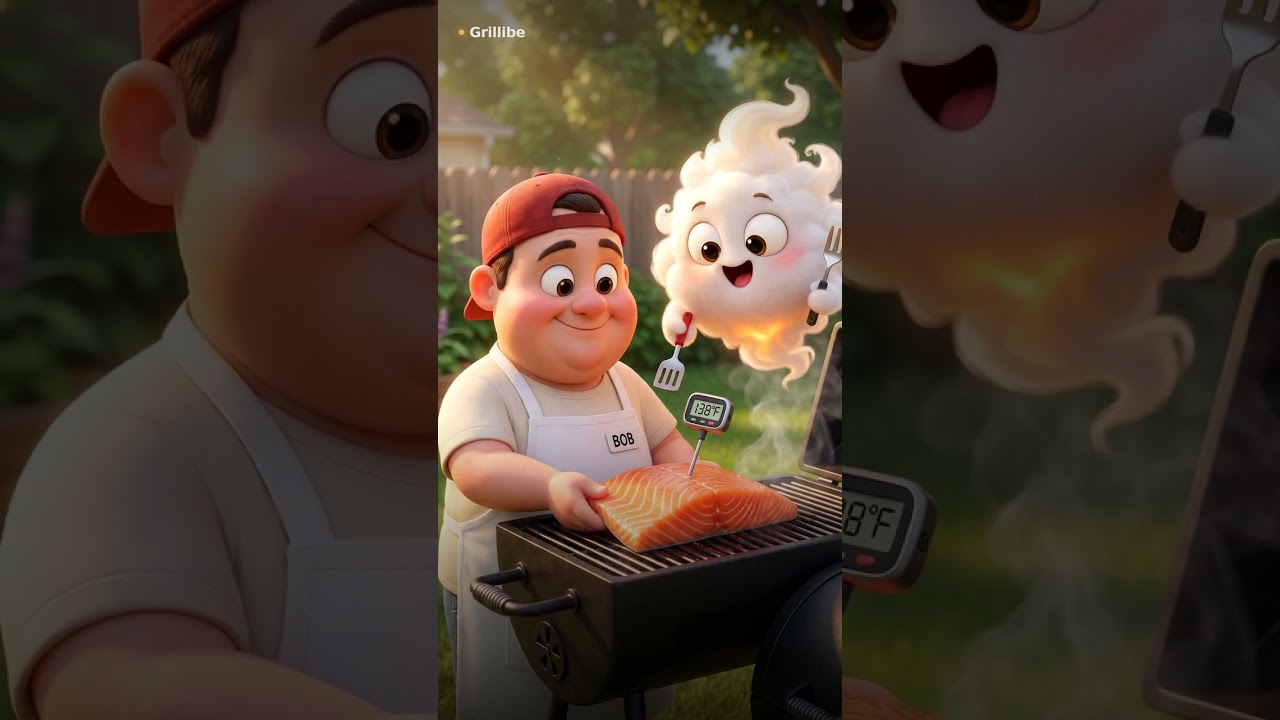
Most backyard cooks either overcook salmon until it flakes dry or skip the cure and end up with fish that weeps white albumin all over the grate. Both problems are easy to fix. This guide walks you through the cure, the pellicle, the smoke, and a handful of recipes you can actually use on a weekend.
Affiliate disclosure: Grillibe may earn a commission from links on this page. We only recommend BBQ gear that fits the cook, problem, or beginner setup.
Quick answer
Cure your salmon for 8 to 36 hours depending on thickness, then dry it under a fan at 60°F or cooler for 2 to 4 hours to build a pellicle. Smoke at 150 to 170°F ambient, starting lower and finishing higher, and pull the fish at an internal temp of 120 to 135°F. A 1 to 2 lb fillet takes roughly 45 minutes to 1.5 hours total. Baste with maple syrup or honey each hour to keep moisture up.
Pick the right salmon for the job
Not every salmon fillet behaves the same on a smoker. King salmon (Chinook) is the fattiest and most forgiving, but its thick flesh needs the longest cure, up to 36 hours in brine. Sockeye and silver (coho) are leaner and do well with an 8-hour cure.
For quick weeknight recipes, a 1 to 2 lb fillet is the easiest starting point. It fits most smokers, cures fast, and hits temp before you lose patience. Skin-on fillets hold together better on the grate and peel off cleanly after cooking.
- King salmon: fat, thick, cure 24-36 hours
- Sockeye: lean, firm, cure 8-12 hours
- Silver (coho): mild, medium fat, cure 8-16 hours
- Atlantic (farmed): widely available, medium fat, cure 8-12 hours
Cure and pellicle: the two steps most cooks skip
The cure pulls moisture from the flesh, seasons it all the way through, and firms the protein so it holds up on the grate. A basic cure is 1 part brown sugar to 1 part kosher salt by weight, packed over the fillet in a zip bag or covered dish in the fridge. Thin fillets need 8 hours. A thick king salmon slab needs up to 36 hours, but never go past 48 hours or the salt will overpower the fish.
After the cure, rinse the fillet under cold water and pat it dry. Then set it on a wire rack under a ceiling fan or in front of a small fan at 60°F or cooler for 2 to 4 hours. This drying step builds the pellicle, a tacky skin that helps smoke stick and stops the fish from sticking to the grate. Bob skipped this step once and ended up scraping half his fillet off the grill. Flip was not impressed.
How to hot-smoke salmon step by step
The key to avoiding that white albumin bleed is a slow ramp in smoker temperature. Start low, finish a little higher, and use a probe thermometer so you are pulling on internal temp, not guessing by time. ThermoWorks explains the key temps for smoked salmon and confirms that 120°F internal keeps the proteins tender and juicy.
Alder and apple wood are the classic choices for salmon. Both burn mild and slightly sweet without overpowering the fish. Avoid mesquite or heavy hickory on salmon. The smoke flavor compounds build fast on fish and can turn bitter before the fish is done.
- 1Set your smoker to 140 to 150°F ambient with alder or apple wood.
- 2Place the cured, pellicle-dried fillet skin-side down on oiled grates or a cedar plank.
- 3Smoke at 140 to 150°F for the first 60 minutes.
- 4Baste the fillet with maple syrup, birch syrup, or honey.
- 5Raise the smoker to 175°F and continue smoking for another 45 to 90 minutes.
- 6Baste again every hour if the cook runs long.
- 7Pull the fillet when the internal temp hits 120 to 135°F. Use a thin probe thermometer at the thickest point.
- 8Rest for 5 minutes before slicing or flaking.
Three recipes to use your smoked salmon
Once you have a smoked fillet, the easiest move is a smoked salmon dip: 8 oz cream cheese, 2 tbsp sour cream, 1 tbsp lemon juice, 1 tsp capers, and 6 oz flaked smoked salmon blended together. Chill it for 30 minutes and serve with crackers or cucumber slices. It holds in the fridge for 3 days.
For a hot application, flake smoked salmon over scrambled eggs with cream cheese and fresh dill. Or make smoked salmon tacos with a quick slaw of shredded cabbage, lime juice, and a pinch of salt. The smoky, slightly sweet fish works well against acidic toppings. If you want to explore more backyard smoke projects, the smoked turkey breast guide uses a similar low-and-slow approach with a brine step you can adapt.
- Smoked salmon dip: cream cheese, sour cream, lemon, capers, flaked salmon
- Smoked salmon scramble: eggs, cream cheese, dill, flaked salmon
- Smoked salmon tacos: cabbage slaw, lime, cilantro, hot sauce
- Smoked salmon pasta: cream sauce, capers, shallots, lemon zest
- Smoked salmon bagel board: cream cheese, red onion, capers, everything seasoning
Fixes for the most common smoked salmon problems
White albumin bleed is the most common complaint. It happens when the smoker runs too hot too fast, forcing the proteins to seize and squeeze out that white liquid. The fix is the two-stage temperature method above: start at 140 to 150°F for the first hour before bumping up. If you see albumin forming early, your smoker is running hotter than the dial says. Use an ambient probe to verify.
If your salmon is sticking to the grate, the pellicle was not fully dry before you started. Oil the grates well and give the fish another 30 minutes of drying time next cook. For a deeper look at this problem, the smoked salmon sticking guide covers grate prep and plank alternatives. Dry, overcooked salmon usually means you pushed past 140°F internal, so pull earlier and let carryover finish the job.
Short-form angle
Flip shows Bob the two-stage smoker temperature trick that stops albumin bleed on salmon, filmed in real time from cure to pull.
FAQ
What temperature do you smoke salmon at?
Keep your smoker ambient between 150 and 170°F. Start at 140 to 150°F for the first hour to avoid albumin bleed, then finish at 175°F. Pull the fish when the internal temp hits 120 to 135°F.
How long does it take to smoke a salmon fillet?
A 1 to 2 lb fillet takes roughly 45 minutes to 1.5 hours total at 150 to 175°F ambient. Thicker king salmon slabs can take up to 2.5 hours. Always go by internal temperature, not time alone.
Do you have to cure salmon before smoking it?
Yes, curing is worth the extra step. A salt and sugar cure firms the flesh, seasons it through, and draws out surface moisture so you can build a pellicle. Without the cure, the fish can turn mushy and the smoke flavor stays on the surface only.
What is the white stuff coming out of my smoked salmon?
That is albumin, a protein that gets squeezed out when the fish cooks too fast or too hot. It is safe to eat but means the smoker temperature spiked. Next time, start at 140 to 150°F for the first hour before raising the heat.
Can you eat smoked salmon cold after cooking it?
Yes. Hot-smoked salmon is fully cooked and safe to eat cold straight from the fridge. It keeps for up to 3 days refrigerated or up to 3 months frozen. Cold-smoked salmon (lox style) is a different process and is not covered in this guide.