Prime rib temp guide
Meat thermometer for prime rib: hit 130°F every time
Published June 10, 2026
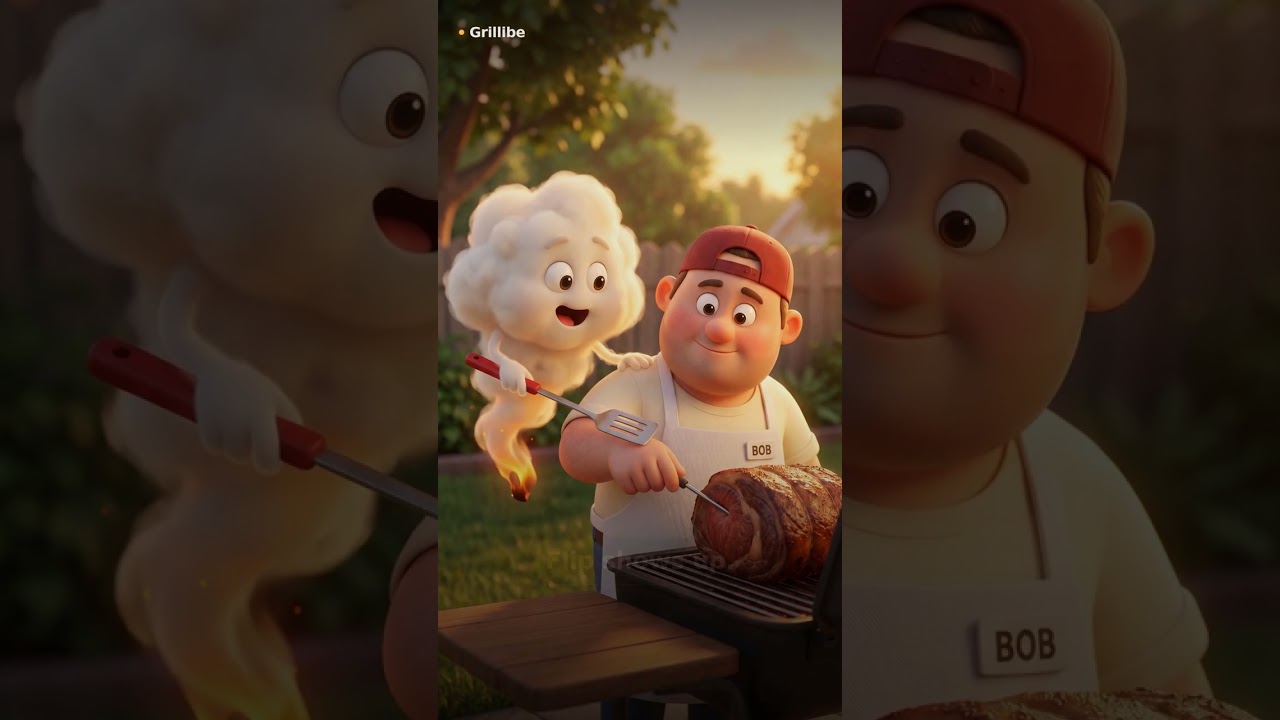
Prime rib is expensive and unforgiving. One degree too far and you have a gray, overcooked roast instead of a pink, juicy one. A meat thermometer is the only tool that keeps you in that window, and knowing exactly where to probe and when to pull makes all the difference.
Affiliate disclosure: Grillibe may earn a commission from links on this page. We only recommend BBQ gear that fits the cook, problem, or beginner setup.
Quick answer
Pull your prime rib at 120 to 125°F for medium-rare. Carryover cooking will raise the internal temp another 5 to 10°F during the rest, landing you at 130 to 135°F when you slice. Insert the probe into the thickest part of the roast, away from bone and fat. Rest the roast at least 15 minutes before cutting.
Why temperature matters more than time for prime rib
Time estimates for prime rib are just guesses. Every roast is a different size, shape, and starting temperature. A 7-pound roast pulled straight from the fridge will cook slower than one that sat on the counter for an hour.
A probe thermometer removes the guesswork entirely. You watch the number climb and pull the roast at exactly the right moment, every single time. Bob learned this the hard way after slicing into a well-done roast on Christmas Eve.
Where to put the probe in a prime rib
Probe placement is the most common mistake backyard cooks make. Insert the thermometer into the thickest part of the roast, pushing the tip toward the center. Keep the probe away from bone and large pockets of fat, because both read hotter than the actual muscle.
If you have a leave-in probe thermometer, set it before the roast goes in the oven or on the smoker. That way you never have to open the door and lose heat. Aim for the center of the eye of the roast, not the thin tail end.
The pull temps and carryover cooking explained
Carryover cooking happens because the outer layers of the roast are hotter than the center. After you pull the roast, heat keeps moving inward and the internal temperature keeps rising. ThermoWorks notes that carryover can raise the temperature 5 to 10°F depending on roast size and cooking method.
Here are the pull temps and final resting temps for each doneness level:
- Rare: pull at 110 to 115°F, rest to 120 to 125°F
- Medium-rare: pull at 120 to 125°F, rest to 130 to 135°F
- Medium: pull at 130 to 135°F, rest to 140 to 145°F
- Medium-well: pull at 140°F, rest to 150°F
How cooking method changes your thermometer strategy
Low-and-slow smoking at 225 to 250°F gives you a slow, steady temperature climb and very little carryover, maybe 3 to 5°F. At that pace, a prime rib can take 3 to 5 hours to reach 120°F internally. A leave-in probe with a remote display lets you monitor the roast without opening the smoker lid.
The reverse-sear method from Serious Eats uses a low oven around 200°F and pulls the roast at 115 to 120°F before a high-heat sear. With that method, the sear adds heat fast, so pulling a few degrees lower protects you from overshooting. Either way, your thermometer is the thing that tells you when to move. Check out our reverse-sear steak guide for more on managing that high-heat finish.
What to look for in a thermometer for prime rib
For a long roast cook, you want two things: a leave-in probe so you can monitor without lifting the lid, and a remote display or phone app so you can watch the temp from across the yard. Instant-read thermometers are great for a quick check but not practical for a 4-hour cook.
Here are the features that actually matter for prime rib:
- Leave-in probe with a heat-rated cable rated to at least 500°F
- Accuracy within plus or minus 1°F so you are not guessing at the margin
- Alarm that alerts you when the roast hits your pull temp
- Wireless range long enough to reach your kitchen or patio from the grill
- Easy-to-read display, especially in low light for holiday dinners
Short-form angle
Flip shows Bob exactly where to stick the probe in a prime rib and what the thermometer alarm should be set to before the roast goes in.
FAQ
What temperature do you pull prime rib out of the oven?
Pull prime rib at 120 to 125°F for medium-rare. Carryover cooking will raise the internal temperature to 130 to 135°F during the rest. The USDA recommends resting roasts at least 3 minutes, but for prime rib, 15 minutes gives carryover time to finish the job.
Can I use an instant-read thermometer for prime rib?
Yes, but it is not ideal for a long cook. An instant-read thermometer works well for spot-checking near the end of the cook. For anything over 2 hours, a leave-in probe thermometer with an alarm is much easier because you do not have to open the oven or smoker repeatedly.
Where do you stick the thermometer in a prime rib roast?
Insert the probe into the thickest part of the roast, pushing toward the center. Keep the tip away from bone and large fat pockets, because both read hotter than the muscle and will give you a false high reading. The eye of the roast, the large central muscle, is the right target.
How long does it take prime rib to reach 120°F at 250°F?
At 250°F, most prime rib roasts take about 3 to 5 hours to reach an internal temperature of 120°F, depending on the size of the roast and whether it started cold from the fridge. Always go by temperature, not time. A leave-in probe thermometer is the only reliable way to know when you are there.
Does prime rib temperature keep rising after you take it off the heat?
Yes. Carryover cooking can raise the internal temperature 5 to 10°F after you pull the roast, depending on roast size and cooking method. That is why you pull at 120 to 125°F and let it rest, rather than waiting until it hits your final target temperature.