Charcoal setup guide
Charcoal in grill: temps, zones, and heat control
Published September 19, 2026
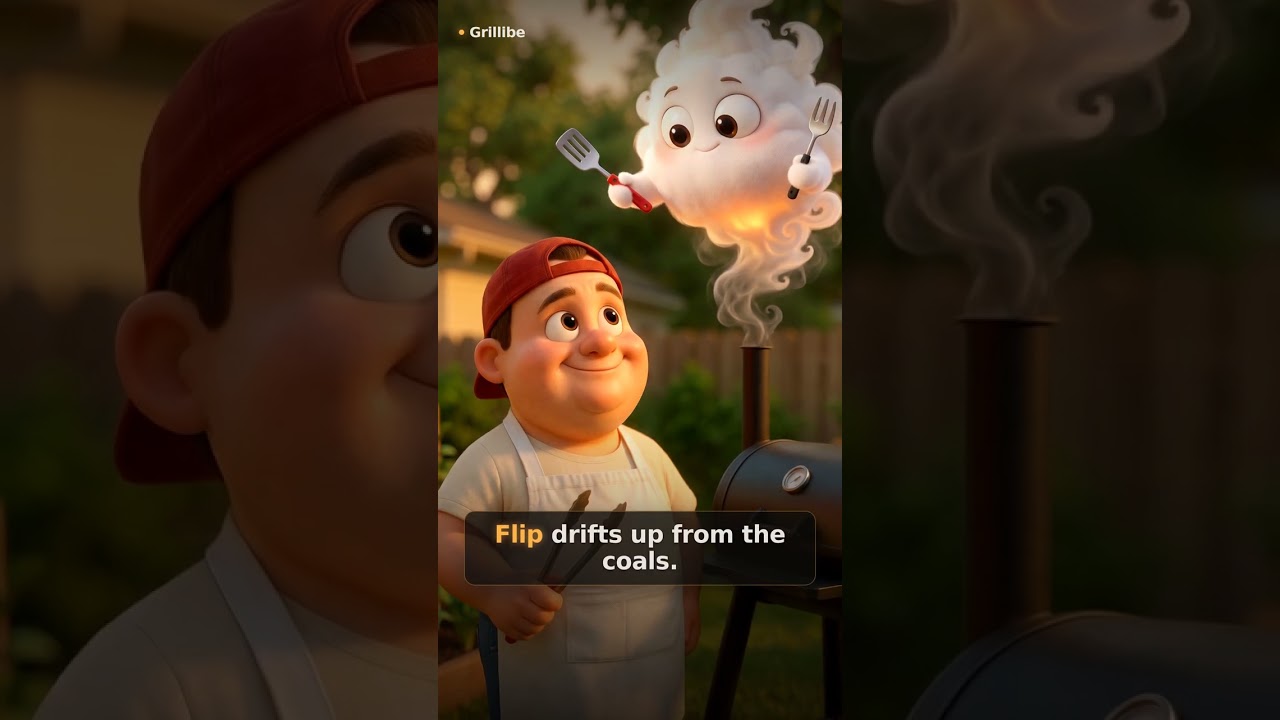
Most backyard cooks dump charcoal in the grill, light it, and hope for the best. The result is usually burnt outsides and raw middles, or a fire that dies before the food is done. Once you understand how charcoal heat actually works and how to control it, every cook gets easier.
Affiliate disclosure: Grillibe may earn a commission from links on this page. We only recommend BBQ gear that fits the cook, problem, or beginner setup.
Quick answer
Pile lit charcoal on one side of the grill for a two-zone setup. Keep the bottom vents open about halfway and the lid on to stabilize heat. Aim for 450-550 F over the coals for searing and 225-325 F on the cool side for indirect cooking. Use a probe thermometer to pull meat at the right internal temp, not just a timer.
How hot charcoal actually gets
Charcoal burns much hotter than most people expect. ThermoWorks reports that grate-level temperatures above the coals can hit 600 to 650 F with the lid on, and the charcoal bed itself can reach around 1200 F internally.
That extreme heat is why charcoal grilling is so good for searing. It is also why food burns fast if you leave it directly over the coals without paying attention. Knowing the heat levels involved helps you make better decisions about where to put your food and when to move it.
The two-zone setup: the most important thing you can do
A two-zone fire means all your charcoal is on one side of the grill. One side is hot and direct, the other side is cool and indirect. This single change fixes most charcoal grilling problems because you can move food away from the flames when it needs more time without more char.
According to AmazingRibs.com's charcoal grill setup guide, the indirect zone stabilizes around 225 F for low-and-slow cooking and around 325 F for roasting, while the direct zone runs 450 to 550 F for searing. Set up your grill this way every single time, even for quick cooks.
How to control temperature with vents and the lid
Oxygen controls how fast charcoal burns. More airflow means higher temps. Less airflow means lower temps. The bottom vent is your main dial. The top vent should stay open at least halfway so exhaust can escape and the fire does not smother itself.
The lid does more work than most people give it credit for. Keeping the lid on traps heat, stabilizes the temperature, and stops flare-ups from oxygen surges. Every time you lift the lid, you lose heat and add cook time. Check your food on a schedule instead of peeking constantly.
- Low and slow (225 F): bottom vent cracked to about 25 percent open, top vent halfway open
- Roasting (325 F): bottom vent about 50 percent open, top vent halfway to fully open
- Searing (450-550 F): bottom vent fully open, top vent fully open
- To drop temp fast, close the bottom vent most of the way and leave the top vent open so smoke can still exit
- Add unlit charcoal to the edge of the lit pile to extend a long cook without a big temperature spike
Internal temperature targets for safe, well-cooked meat
Charcoal heat is uneven, so cooking by time alone is unreliable. A probe thermometer tells you what is actually happening inside the meat. Pull each cut when it hits the right internal number and you will stop guessing.
USDA guidance says poultry must reach 165 F internal, while beef, pork, veal, and lamb steaks, roasts, and chops need 145 F with a 3-minute rest. If you are holding cooked food before serving, keep it at 140 F or warmer on the indirect side of the grill, not directly over the coals.
- Chicken thighs or whole birds: pull at 165 F internal. See our smoked chicken thighs guide for a full walkthrough
- Burgers: 160 F internal for ground beef
- Steaks: 145 F internal minimum, rest 3 minutes. For a reverse-sear method, check our reverse sear steak guide
- Pork ribs: probe between bones at 195-203 F
- Sausages: 160 F internal to avoid splitting and undercooking
Charcoal types and how much to use
Lump charcoal lights faster, burns hotter, and leaves less ash than briquettes. Briquettes burn more evenly and hold a steady temperature longer, which makes them better for cooks over 60 minutes. Either works fine for most backyard cooks. Pick one and learn how it behaves in your grill.
For a standard 22-inch kettle, a full chimney starter of lit charcoal (roughly 100 briquettes or the equivalent in lump) is enough for a two-zone sear session. For a long low-and-slow cook at 225 F, start with about half a chimney of lit charcoal on top of a bed of unlit charcoal so the unlit pieces catch slowly and extend your burn time without spiking the temperature.
Short-form angle
Flip shows Bob how to set up a two-zone charcoal fire in 3 minutes, with a vent-by-vent demo for hitting 225 F vs 500 F on the same grill.
FAQ
How much charcoal should I put in my grill?
For a quick sear session on a 22-inch kettle, one full chimney of lit charcoal is enough. For a long cook at 225 F, start with half a chimney of lit charcoal on top of a bed of unlit charcoal. The unlit pieces catch slowly and keep the fire going for several hours without a temperature spike.
How do I keep charcoal grill temperature steady?
Keep the lid on as much as possible. Adjust the bottom vent to raise or lower the burn rate. For 225 F, crack the bottom vent to about 25 percent open. For 450 F and above, open it fully. The top vent should stay at least halfway open so exhaust can escape and the fire does not smother.
Can I add more charcoal while grilling?
Yes. Add unlit charcoal to the edge of the lit pile so it catches gradually. Dumping a large amount of cold charcoal on top of a hot fire will drop your temperature quickly and can stall the cook. Adding smaller amounts every 30-45 minutes works better for long cooks.
How do I set up a two-zone fire with charcoal?
Push all your lit charcoal to one side of the grill. The side with coals is your direct, high-heat zone for searing. The side without coals is your indirect zone for slower cooking and holding food. This setup lets you move food away from the flames whenever it needs more time without burning.
Is lump charcoal or briquettes better for grilling?
Lump charcoal lights faster and burns hotter, which is good for searing. Briquettes burn more evenly and hold a steady temperature longer, which makes them better for cooks over an hour. Both work well. Briquettes are easier to manage if you are new to charcoal grilling.